


Subscribe
To join our mailing list and never miss an update!
Emus are often labeled as curious, bold, or unpredictable, but anyone with hands-on experience quickly learns that there is no single emu personality. Each bird develops its own temperament over time, shaped by genetics, early handling, environment, social structure, and seasonal changes. Recognizing these individual differences is essential for safe handling, and effective mob management.
Whether you raise emus for meat, hatching eggs, agritourism, or just personal interest, understanding how temperament varies from bird to bird allows you to anticipate behavior, prevent conflict, and build more productive human–animal interactions.

Emus Have Distinct Personalities
Temperament can vary significantly between individual emus, even among birds raised together. Some emus remain relaxed and tolerant of human presence, while others are naturally cautious, dominant, or highly alert. These differences often become more noticeable as birds mature and establish social hierarchies within the mob.
You may encounter emus that are outgoing and inquisitive, while others prefer to observe from a distance. Some birds adapt easily to routine and handling, whereas others remain sensitive to changes in their environment. Over time, these traits may intensify, soften, or shift depending on age, breeding cycles, and environmental experiences.

Trending Articles



What Shapes an Emu’s Temperament?
Several factors contribute to an emu’s behavior and overall disposition.
Genetics play a significant role in determining baseline temperament. Certain bloodlines tend to produce calmer or more manageable birds, while others may be more reactive or assertive. Breeders who prioritize temperament alongside physical traits often see long-term improvements in flock behavior.
• Socialization: Early handling and socialization also influence how emus respond to people. Birds exposed to calm, consistent human interaction during their formative months are generally more comfortable with caretakers later in life. However, excessive imprinting, especially in males, can lead to boundary challenges, making balanced exposure essential.
• Environmental conditions: The space where your emus are kept can also shape behavior. Emus raised in crowded spaces, unstable routines, or predator-prone areas may exhibit heightened stress or defensiveness. In contrast, birds provided with adequate space, predictable schedules, and enrichment opportunities are more likely to display relaxed and stable temperaments.
• Age and hormonal changes: Reaching sexual maturity when breeding instincts peak is a major life change for emu development. Young emus are typically playful and exploratory, but behavior can shift as they reach maturity. During breeding season, females in particular may become more territorial or protective, and even previously calm birds may display heightened vigilance.
• Mob dynamics: Finally, mob dynamics influence how individual personalities develop. Emus establish social rankings, and dominant emus often behave differently from submissive ones. Understanding these hierarchies can help explain behaviors such as posturing, chasing, or competition around food and nesting areas.

Recognizing Common Emu Personality Patterns
Each emu is unique and these dino-descendants will develop individual behavioral tendencies. We’ve grouped some common behavioral attributes by easy-to-remember personality trait categories below:
• The Gentle Observer: Some birds exhibit a naturally calm and observant demeanor, preferring to watch activity without engaging directly. These emus are often the easiest to manage and adapt well to routine care.
• The Curious Explorer: Others display strong curiosity, actively investigating new objects, people, or environmental changes. While entertaining and engaging, these birds may require supervision to prevent destructive or risky behavior. Provide enrichment activities to their routine such as a plastic and shatterproof mirror to gaze at themselves, hanging bells for them to ring or a ball in their pen.
• The Nervous Watcher: More cautious individuals tend to remain alert and easily startled, responding quickly to unfamiliar sounds or movement. With patience and noise tolerance conditioning, these emus can gradually build confidence over time. Emus that startle easily and freak out over loud noises can be trained that these noises are not a threat by introducing them to gradually increasing noise in a supervised situation.
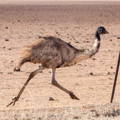
• The Dominant Leader: Dominant birds often assert control within the mob, using posture, movement, or vocalization to reinforce their status. They will kick and chase other emus. These individuals benefit from firm but non-confrontational management strategies but it is important to allow the hierarchy to be established within the mob for eventual cohesiveness.
• The Defensive Protector: Protective or defensive temperaments are most commonly observed in breeding females or nesting males. These birds may react strongly when they perceive a threat to territory, mates, or offspring, making awareness and preventative planning especially important. As a general rule, emus are not aggressive animals and this behavior is usually temporary during breeding season only.
Understanding Emu Body Language
Emus raised with gentle, consistent human interaction from a young age will grow into amazing pets. Birds that receive little handling during chickhood may remain more wary or flighty as adults. Trust can be built with an adult emu that has not been socialized but it takes patience, consistency and a longer period of time.
Reading body language is one of the most valuable skills an emu owner can develop. Behavioral cues often provide early warning signs of stress, injury or illness.
Relaxed emus typically move at a steady pace, maintain a neutral posture, and display casual curiosity toward their surroundings. Their movements appear deliberate rather than reactive, and their vocalizations remain soft or infrequent.
For Calm and Friendly Emus:
• Maintain gentle, consistent interaction
• Reinforce boundaries without encouraging over-familiarity
• Avoid rough play that could lead to dominance behaviors later
Signs of nervousness may include pacing, sudden freezing, hissing, or repeated attempts to distance themselves from perceived threats. These behaviors suggest the bird is feeling uncertain or overstimulated.
For Nervous or Skittish Emus:
• Keep routines predictable
• Avoid sudden movements or loud noises
• Use slow, steady exposure to new experiences
Aggressive or defensive behavior often becomes apparent through postural changes, aggressive nipping with their beak, hissing and kicking. An emu preparing to challenge or defend itself may stand taller, puff its feathers, or lift a foot in preparation to kick. Recognizing these signals early allows handlers to increase distance, stand to the side and avoid escalating the situation.
For Dominant or Aggressive Emus:
• Never turn your back during heightened alert behavior
• Use physical barriers rather than force when moving birds
• Avoid entering enclosures alone during breeding season
• Reduce competition for food and space

Managing Temperament for Safety and Welfare
Effective management begins with adjusting handling strategies to suit individual personalities rather than applying a one-size-fits-all approach. Across all temperament types, minimizing stress is key. Reducing competition for food, providing adequate space, and maintaining environmental consistency contribute to more stable and manageable behavior.
Calm or friendly emus benefit from consistent interaction that reinforces boundaries without encouraging over-familiarity. Nervous birds respond best to predictable routines, slow movements, and gradual exposure to new experiences.
More assertive or dominant emus require clear structure and physical separation when necessary. Entering enclosures with heightened awareness, avoiding direct challenges, and using barriers instead of force can significantly reduce risk. During breeding season, extra caution is advised, and working in pairs may be safer when handling territorial birds.

Why Temperament Matters in Breeding and Farm Operations
Temperament has practical implications beyond daily handling. Birds that experience lower stress levels often show improved health, more reliable breeding outcomes, and more predictable social interactions.
A strong tempered female can disrupt the entire mob’s behavior if she is booming, chasing, harassing and blocking others from access to food and water. This can upset the whole mob and set everyone on high alert. In rare cases, she may need to be relocated to a separate pasture or rehomed.
For farms that welcome visitors, host educational programs, or manage emus in family-oriented settings, raising emus with well-rounded social skills and manageable temperaments can enhance both safety and overall visitor experience.
Emus are intelligent animals capable of recognizing individual caretakers, forming bonds with humans, and positive relationships can develop through consistency and calm handling. However, trust should never replace caution. These birds are large, powerful, and instinct-driven, and even well-socialized individuals can react unpredictably under stress.
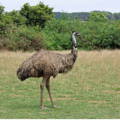
Every emu carries a distinct personality shaped by genetics, experience, and environment. By learning to recognize temperament differences, interpret body language, and adapt ranch management practices accordingly, owners can foster safer, healthier, and more harmonious mobs.
Understanding emu behavior does more than improve daily care- it deepens appreciation for the intelligence, complexity, and unique character of these remarkable birds.

Trending Products
Copyright©2026 All rights reserved. This article or any portion thereof , including all images, may not be reproduced or used in any manner whatsoever without the express written permission of Gypsy Shoals Farm.