

Subscribe
To join our mailing list and never miss an update!
Raising emu chicks successfully requires careful management, precise nutrition, and close observation—especially during the first 90 days of life. This early period determines long-term growth, structural soundness, and survivability.
Emus grow rapidly, develop strong legs early, and require specialized feed formulations. Mistakes in brooding temperature, flooring, diet, or space allocation can result in leg deformities, failure to thrive, or preventable losses.
This guide focuses on practical management practices used by experienced ratite breeders to ensure the first 90 days of care set your emu chicks up for a vibrant and healthy life.
Understanding the First 90 Days
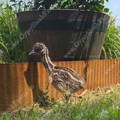
Emus hatch after approximately 50–52 days of incubation, but some may take as long as 60 days or more to make their grand entrance into the world. Emu chicks hatch at approximately 65–75% of the egg’s original weight and chicks typically weigh between 12–16 ounces (350–450 grams) at hatch. They are precocial, meaning they are usually mobile and alert shortly after hatching.
The first three months are characterized by:
• Extremely rapid growth
• High sensitivity to temperature extremes
• High vulnerability to leg and skeletal issues
• Susceptibility to stress-related setbacks
Growth during this period can exceed one pound per week under optimal conditions. However, they are still highly dependent on controlled environmental conditions and balanced nutrition.
Brooder Temperature
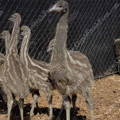
Newly hatched emu chicks require supplemental heat but not at the same intensity as poultry chicks. A general starting ambient temperature of 85–90°F (29–32°C) in the brooder area is appropriate during the first week.
Temperature should be reduced gradually by about 5°F per week, depending on chick behavior and environmental conditions. By 4-6 weeks, many chicks can tolerate moderate ambient temperatures if housed in draft-free conditions.
Behavior is the best indicator:
• Huddling tightly under heat = too cold
• Avoiding heat source and spreading out = too warm
• Even distribution and relaxed posture = appropriate temperature
Trending Articles



Emu brooder Flooring and Traction
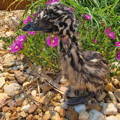
Leg health in ratites is strongly influenced by flooring. Slick surfaces are a major cause of leg splay and tendon strain.
Best practices include:
• Textured rubber mats
• Short-piled, tightly secured carpet
• Roughened concrete covered with bedding
Avoid:
• Smooth plastic
• Disposable puppy pads
• Newspaper
• Polished concrete
• Deep loose shavings that can cause instability
Secure footing is critical during the first 90+ days when tendons and joints are stabilizing. Yoga mats are an excellent choice for flooring because they are non-slip while being lightweight and easy to lift and carry outside to hose off.
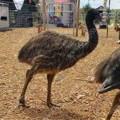
Emu brooder Space Requirements
Overcrowding increases stress and injury risk. Provide adequate space from the start:
• First 2 weeks: approximately 4–6 square feet per chick
• 30–90 days: increase progressively to 20–40 square feet per bird
As chicks grow, they require substantial exercise space to promote proper leg development. Longer is preferable to wider when it comes to space design so they have room to run.
Nutrition: The Foundation of Growth
Nutrition is the single most important factor influencing emu chick development. Imbalances—especially in protein, calcium, phosphorus, or trace minerals—can cause irreversible skeletal issues. Proper nutrition is also critical to female reproductive development and can affect fertility rate and embryo development in emu eggs when she reaches maturity.
Starter Feed Formulation
Emu chicks require an emu starter feed specifically formulated for their growth rate. We uses Mazuri Emu Starter Feed (not Mazuri Ratite Starter feed) on Gypsy Shoals Farm. Crude protein levels generally range between 18–22% during the early weeks. Avoid feeding generic poultry starter feeds and never feed medicated chicken feed to emus. Chick starter formulated for chickens contains inappropriate nutrient ratios for emus.
Key nutritional considerations:
• Sufficient vitamin B for nervous system development and muscle development.
• Balanced calcium and phosphorus ratio (approximately 1.5–2:1)
• Adequate vitamin D3 for calcium metabolism
• Proper trace mineral levels (especially manganese and zinc)
Insufficient vitamin D3 results in calcium passing through the digestive system unused, weakened or malformed bone development, slowed growth and increased risk of fractures. Even if the diet contains plenty of calcium, it’s essentially useless without vitamin D3 present to activate absorption.
Feed management is another critical but often overlooked aspect of biosecurity. Every bag of feed should be inspected when opened for signs of mold, moisture exposure, insect infestation, or spoilage. Mold spores and contaminated feed can introduce toxins and pathogens that damage both the intestinal and respiratory systems, impair nutrient absorption, and weaken the immune response.
Proper storage in sealed containers, kept in a cool and dry location, helps preserve feed quality and prevents contamination from rodents, insects, and humidity.
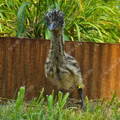
The Role of Vitamin B in Emu Chick Development
The term “vitamin B” refers to a group of water-soluble vitamins known collectively as the B-complex. Each one serves a specific function, but they work together to support growth, neurological health, and metabolic efficiency.
Sprinkling a vitamin B pelletized supplement over feed or adding a few drops of liquid vitamin B to water will ensure that this critical component to development is replenished as the body uses it.
In emu chicks, vitamin B is especially important for:
• Nervous system development
• Muscle coordination and strength
• Energy conversion from feed
• Proper growth and weight gain
• Healthy appetite and digestion
• Prevention of neurological disorders
Because emu chicks grow quickly—often tripling in size within weeks—their demand for B vitamins is high relative to their body weight.
Feeding Schedule
Emus eat and drink differently than chickens. They scoop like a shovel instead of pecking. Because of this, feeders should be deep. Chicks should have free access to feed and fresh water at all times.
Monitor feed intake carefully to be certain they all have access to it and an alpha in the cluster is not blocking access for smaller group members. Weighing chicks weekly is recommended to track growth trends rather than relying on visual assessment alone.
Water Management
Clean water must be available at all times. However, open pans can lead to chilling if chicks step into water (and they will). Hanging water and feed troughs work extremely well at keeping messes and waste to a minimum.
Best practices include:
• Stable, deep waterers if placed directly on the floor but hanging off the ground is preferable.
• Regular cleaning to prevent bacterial buildup
• Positioning water away from bedding to reduce dampness
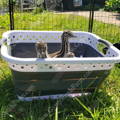
It may be necessary to get baby emus interested in water so they learn what it is and where it is in their living quarters. This can be done by floating finely chopped kale on top of the water or even adding a mini rubber duck to peak curiosity. Brooder areas should remain dry. Wet conditions increase the risk of bacterial growth and foot issues.
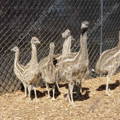
Socialization and Stress Management
Emus are social birds. Chicks should be raised in small groups rather than individually. Isolation can lead to stress, poor feeding behavior, self-picking and abnormal imprinting.
Minimize stress by maintaining consistent routines and regularly handling emu chicks to establish a trusting relationship. Make a pointed effort to touch your emu chicks all over their bodies, including bottoms of feet, legs, wings and mouths. This will make them much easier to handle as adults when vaccines need to be administered or an injury needs medical attention.
Transitioning Outdoors
Depending on climate, chicks may begin supervised outdoor exposure around 10-12 weeks of age in mild weather. They must be fully feathered enough to thermoregulate and protected from heavy rain, strong winds and predator threats- including hawks and eagles from above.
Gradual acclimation is preferable to sudden full-time outdoor housing. By 90 days, healthy chicks should be well feathered, active, and capable of tolerating moderate environmental variation. They should still be housed indoors at night for predator prevention until they are at least 6 months old.
Preventing Leg and Skeletal Problems
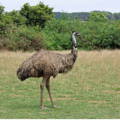
Strong and straight legs are crucial to a healthy life and the survival of adult emus. They are also the mos vulnerable body part on emu chicks and juveniles for injury.
Leg deformities are among the most common early-life challenges in emus. Causes typically include nutritional imbalance, slippery flooring, overcrowding and insufficient exercise space. Early detection is critical in order to begin correction immediately.
Common leg conditions observed in ratites include:
• Splayed legs
• Valgus or varus deformities (angular limb deviations)
• Tendon slippage
Warning signs include:
• Reluctance to stand
• Uneven gait
• Legs angling inward or outward
• Sitting more than normal
Immediate corrective action, often involving nutritional review, vitamin supplements and environmental adjustments, is essential. Consultation with a veterinarian experienced in ratites is recommended when abnormalities appear.
A slipped tendon injury is a very serious and unfortunately very common emu injury. Even with correction attempts, it usually results in the need to humanely cull.
Biosecurity and Disease Prevention
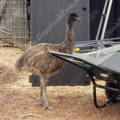
Although emus are generally hardy and more disease-resistant than many domestic poultry species, biosecurity should never be treated as optional—especially during the brooding and early growth stages when chicks are most vulnerable. Limiting visitor access to brooder areas is one of the most effective preventive measures, as people can unknowingly carry pathogens on their shoes, clothing, or equipment.
Establishing a simple protocol such as disinfecting footwear before entry and using dedicated boots or coveralls for bird areas can significantly reduce the risk of introducing harmful bacteria, fungi, or parasites. New birds should always be quarantined for a minimum of 2–4 weeks before being introduced to established groups, as seemingly healthy emus may still carry infectious organisms.
Likewise, any bird showing signs of lethargy, reduced appetite, abnormal droppings, or respiratory distress should be isolated immediately to protect the rest of the flock while the cause is evaluated.
Growth Benchmarks
While growth rates in emu chicks naturally vary based on genetics, diet quality, and overall management, healthy birds should demonstrate consistent, steady weight gain from week to week. Growth should be progressive rather than sporadic, with chicks maintaining a well-proportioned body, strong stance, and increasing muscle development as they mature.
Significant size differences or uneven growth within the same age group should not be dismissed as normal variation. In many cases, uneven development is an early warning sign that something in the management program needs attention. When chicks do not grow uniformly, it often reflects differences in feed access, health status, or a nutritional deficiency rather than genetics alone.
The Critical Takeaways
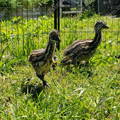
While emu chicks may seem fragile and awkward in this stage, proper management will result in strong, healthy and resilient adults. The first 90 days of raising emu chicks are defined by three priorities:
1. Proper nutrition formulated specifically for emu chicks
2. Secure, non-slip flooring and adequate space
3. Consistent socialization and stress management
Emus grow rapidly and are less forgiving of management errors. Prevention, through correct feed, environment, and monitoring, is far more effective than attempting to correct developmental problems later. When managed correctly, the first three months set the stage for structurally sound, fast-growing birds with strong immune resilience.

Trending Products
Copyright©2026 All rights reserved. This article or any portion thereof , including all images, may not be reproduced or used in any manner whatsoever without the express written permission of Gypsy Shoals Farm.