

Predator Protection for Emus: A Comprehensive Guide
Learn how to protect emus from common predators like coyotes, foxes, and dogs with expert tips on fencing, guardian animals, deterrents, and safe habitat design.
Applying a multi-faceted approach is necessary because systems sometimes fail and predators sometimes adapt.
Subscribe
To join our mailing list and never miss an update!
Raising emus can be a rewarding and fascinating endeavor, but protecting them from predators is one of the most important and often overlooked responsibilities for any emu keeper. While adult emus are large, fast, and capable of defending themselves to some extent, their chicks and juveniles are extremely vulnerable.
Even adult emus are not entirely safe from persistent predators, particularly in rural or semi-rural areas. To ensure your emus live long, healthy lives, it's essential to understand common threats and implement a layered defense strategy.

Common Predators of Emus in the U.S.
Despite their size and strength, emus are not immune to predation. In the United States, several predators pose significant risks, especially to emu chicks. Foxes and coyotes are widespread and opportunistic, often stalking property edges and waiting for moments of weakness, such as open gates or unguarded pens. Wolves, although less common, may be a danger in northern regions or remote areas. Feral hogs are another significant concern. These aggressive omnivores can attack young emus and damage fencing or terrain through rooting activity.
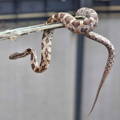
Venomous snakes, including rattlesnakes and copperheads, also pose a risk to emu chicks and eggs. A single bite from a poisonous snake can be fatal to a young bird. While less common, mountain lions and other large cat predators may pose an issue in areas where they are being driven into neighborhoods by housing development.
However, the biggest risk by far comes from your neighbors’ domestic dogs. A neighbor’s loose pet may not seem dangerous, but domestic dogs frequently chase or attack livestock—not necessarily out of hunger, but out of instinct or play behavior that can quickly turn deadly.

Trending Articles



Creating an Unwelcoming Landscape for Predators
An effective way to reduce predator encounters is by eliminating hiding places around your property. Predators are far more likely to target areas that offer cover and concealment. Brush piles, low-growing shrubs, tall grasses, and debris provide perfect hiding spots for ambush.
Keeping the area around emu enclosures clear and open makes it easier to spot threats and reduces the likelihood of predator intrusion. Regular mowing, trimming, and debris removal not only improves visibility but also discourages wildlife from settling nearby. A clean, open landscape signals a higher level of human activity and usually discourages predators from approaching.

Guardian Animals as First-Line Defense
Livestock guardian animals can be one of the most effective forms of protection, especially for emus during their vulnerable early months. Donkeys are naturally territorial and often aggressive toward canines. While they are not necessarily protecting their emu pasture buddies as much as the entire pasture itself which they consider their territory. Their loud braying can serve as both an alarm system and a deterrent.
Livestock guardian dogs, including breeds like the Great Pyrenees or Anatolian Shepherd, have been used for centuries to protect herds. When properly bonded to your emus, these dogs can provide constant surveillance and intervention if a predator is nearby.
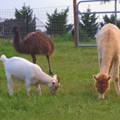
Llamas and alpacas also offer natural protection. While they may appear docile, both species are alert and capable of confronting threats. Their height and defensive behaviors make them useful additions to mixed-species pastures. When choosing a guardian animal, it's essential to consider the needs of both the emus and the guardian itself, as compatibility and proper socialization are crucial for safety and effectiveness.

Fencing as a Physical Barrier
A well-designed fence is one of the most important components of predator control. It must serve a dual purpose: keeping emus contained and keeping predators out. For emus, fencing should be at least six feet tall. Although they do not fly, emus can jump or panic under stress and attempt to clear shorter barriers.
The best fencing material is woven wire with a two-by-four-inch grid. Unlike welded wire, which can break under repeated pressure, woven wire is durable and can withstand impact. The bottom edge of the fence should be secured to the ground using stakes or pins to deter predators from digging their way underneath.
In areas with significant predator pressure, electrified fencing may be necessary. A solar-powered hot wire added to the top of the fence creates an amplified physical deterrent that is highly effective against climbing and jumping predators.
Visual and Motion-Based Deterrents
Many predators rely on stealth and routine. Interrupting these patterns with unpredictable stimuli can make your property less appealing to them. Motion-activated floodlights simulate human presence and often discourage predators from continuing their approach. In warmer climates, motion-activated sprinklers offer a startling, unpleasant experience that drives intruders away.
At Gypsy Shoals Farm, an inflatable air dancer—the kind commonly seen at car dealerships—is used to protect young emus. Its unpredictable movement and size confuse and intimidate both ground and aerial threats. These types of devices are especially useful when positioned near known predator paths, corners of enclosures, or areas that cannot be fully monitored at all times.
Age-Appropriate Freedom for Emus
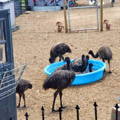
One of the most common mistakes new emu keepers make is offering too much freedom too early. Young emus are slow, inexperienced, and easy prey for even relatively small predators. As a general guideline, emus under six months of age should be securely housed in a locked shelter at night. Their exposure to open pasture should be limited and supervised.
Between six and twelve months of age, emus become more capable and alert, but nighttime containment is still advised in most regions. Once fully grown, adult emus are better able to defend themselves, although they are still susceptible to attacks by determined predators. Providing age-appropriate access to pastures helps reduce risk while still allowing natural behavior and healthy development.
Cleanliness and Biosecurity Measures
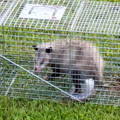
Predator protection also includes the prevention of rodent and insect infestations. Mice and rats are not only pests themselves but also attract larger predators such as foxes and snakes. Ensuring proper feed storage is critical. Feed should be kept in sealed containers, and any spilled grain or pellets should be cleaned up promptly.
Sanitizing shelters, removing waste, and regularly replacing bedding prevents the buildup of organic material that might attract insects or vermin. Biosecurity measures such as footbaths at the entrance of enclosures and limiting outside access can also help maintain a healthy environment for your emu mob.
Protecting emus from predators involves a multi-faceted combination of awareness, preparation, and consistent management. By addressing environmental risks, using appropriate fencing, incorporating guardian animals, and maintaining a clean and secure property, you can significantly reduce the threat of predation. With the right measures in place, your emus can grow and thrive in a safe and well-managed environment.
Trending Products
Copyright©2025 All rights reserved. We love to have you share our article as long as you include a direct link to this page. This article or any portion thereof , including all images, may not be reproduced or used in any manner whatsoever without the express written permission of Gypsy Shoals Farm.