

Subscribe
To join our mailing list and never miss an update!
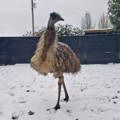
Emus are often associated with Australia’s warm, open landscapes, which leads many new owners to worry that cold winter weather will put their birds at risk. In reality, emus are far more cold-hardy than most people expect. With the right environment and basic winter management, emus can thrive through freezing temperatures, snow, and wind.
Understanding how emus naturally adapt to cold and how to support those adaptations with proper shelter, bedding, and nutrition is the key to overwintering them successfully.
What Temperatures Can Emus Survive?
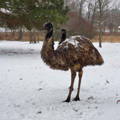
Healthy adult emus are remarkably resilient to cold. They can tolerate temperatures well below freezing, and many flocks do well in climates that regularly drop to 0°F (-18°C) or even lower, provided they are dry and protected from wind.
Cold itself is rarely the real threat. Wind, moisture, and prolonged exposure to wet conditions are far more dangerous than low temperatures alone. An emu standing on frozen ground with dry feathers and a windbreak is generally safer than one standing in 35°F rain with no shelter.
Emu chicks, juveniles, elderly birds, and emus that are underweight or stressed will naturally require more protection than healthy adults, but overall, emus are well equipped to handle winter weather when their basic needs are met.
Trending Articles



How Emu Bodies Adapt to Cold Weather
Emus possess several natural adaptations that allow them to regulate body temperature efficiently, even in harsh conditions.
• Dense, Insulating Feathers
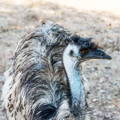
Emu feathers have a double-shafted structure, which creates excellent insulation. Their feathers trap air close to the body, forming a thermal barrier that helps retain heat. In winter, emus fluff their feathers to increase this insulating effect, similar to how chickens puff up in cold weather—but on a much larger scale.
• Reduced Heat Loss Through Behavior
Emus instinctively adjust their behavior during cold weather. You may notice them:
o Standing with their backs to the wind
o Tucking their necks down into their feathers
o Grouping near shelter or windbreaks
o Remaining more stationary during extreme cold
• Efficient Metabolism
Emus have a slow, efficient metabolism compared to many livestock species. During winter, their bodies prioritize maintaining core temperature, especially when supported by proper nutrition. With adequate calories and access to forage, they are well-equipped to sustain themselves through colder months.
The Importance of Wind Protection
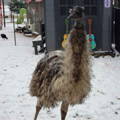
Wind is one of the biggest threats to overwintering emus. Even moderate wind can strip away body heat rapidly, especially when combined with moisture. Providing a windbreak doesn’t mean building a heated barn. In fact, emus do best with simple, open-sided protection that allows airflow while blocking direct wind. Effective windbreaks include:
• Three-sided run-in sheds
• Solid wood or metal panel fencing
• Stacked hay bales
• Natural windbreaks like tree lines or hedgerows
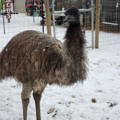
Winter Emu Shelter Requirements
Emus do not require enclosed barns or heated structures. In fact, overly warm or humid shelters can create respiratory issues.
An ideal winter shelter should:
• Be dry
• Provide shade and wind protection
• Allow easy entry and exit
• Have good ventilation
• Prevent snow and rain from pooling inside
Many emu owners find that their birds prefer open run-in shelters over enclosed spaces, even during snowstorms. Emus value visibility and space, and forcing them into tight quarters can increase stress.
Straw is one of the best bedding options for emus during winter because it provides excellent insulation while staying relatively dry compared to other materials.
Pine shavings can also be used if they are kept clean and dry, though they do not offer the same level of insulation as straw. In high-traffic areas, wood chips are especially useful for reducing mud and improving footing.
Avoid slick or compacted surfaces that can freeze and become hazardous. Wet bedding should be removed promptly, as dampness is a major contributor to cold stress and foot problems. Many keepers also rotate bedding areas throughout winter to prevent excessive buildup of moisture and manure.
Nutrition Adjustments for Cold Weather
Cold weather increases calorie demands. Emus burn more energy staying warm, especially during extended cold spells.
Winter Feeding Tips
• Maintain access to a balanced emu or ratite feed
• Change or add an additional feeding time in late afternoon, before sunset.
• Increase feed slightly during prolonged cold periods
• Ensure constant access to clean, unfrozen water
• Supplement with forage where available
Some keepers offer additional calories through grains but drastic diet changes should be avoided. Changing feed times to later afternoon instead of morning will also help keep emus warm on freezing winter nights when the temps dip the lowest after dark. The natural digestion process creates more metabolic energy that can be used to regulate body temperature.
Frozen water is a serious winter risk for all livestock. Heated waterers or frequent manual water changes are essential to prevent dehydration.
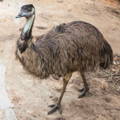
Snow, Ice, and Foot Health
Emus generally handle snow well, but ice presents a greater risk due to their size, long stride, and ratite leg anatomy. Slick or uneven frozen surfaces can increase the chance of slipped tendons, toe strains, and joint injuries.
Keeping high-traffic zones clear of ice, adding traction materials such as sand or wood ash (never salt), and preventing meltwater from refreezing are all important steps in winter management.
Foot and leg injuries are far more likely when ground conditions repeatedly shift between wet and frozen, making proactive ground maintenance essential for protecting emu legs, feet, and toes throughout the winter months.
Signs Your Emu Is Cold-Stressed
While emus are naturally cold-hardy, prolonged exposure to wind, moisture, or inadequate shelter can lead to cold stress. Recognizing the early warning signs allows you to intervene before more serious health issues develop.
• Prolonged Lethargy or Reduced Movement
Emus may move less during cold weather, but cold-stressed birds often appear unusually inactive for extended periods. They may stand still for long stretches, avoid walking, or seem reluctant to move even when approached.
• Persistent Hunched or Tucked Posture
A cold emu will instinctively conserve heat by hunching its body, tucking its neck down, and keeping feathers fluffed continuously. Occasional fluffing is normal, but if this posture is constant—even during milder parts of the day—it may indicate cold stress.
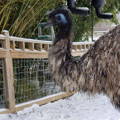
• Shivering or Trembling
Visible shivering is not typical behavior for emus. If you notice muscle tremors or shaking, especially in the legs or neck, this is a strong sign the bird is struggling to maintain body temperature and needs immediate access to dry shelter and wind protection.
• Seeking Shelter Excessively
Emus normally move freely between open areas and shelter. A cold-stressed emu may remain pressed against windbreaks or inside shelters for long periods, even when others are active. This behavior often indicates discomfort rather than preference.
• Decreased Appetite or Water Intake
Cold stress can suppress appetite. Watch for emus that eat noticeably less, linger near feed without consuming much, or reduce water intake during freezing conditions.
• Wet, Matted, or Dirty Feathers
Emus rely on dry feathers for insulation. Feathers that are wet, caked with mud, or matted down lose their insulating ability and significantly increase the risk of cold stress, even at moderate temperatures.
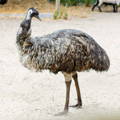
• Changes in Gait or Reluctance to Walk
Cold, icy, or frozen ground can cause stiffness or discomfort. If an emu appears stiff, cautious, or reluctant to walk, especially on frozen surfaces, footing conditions may be contributing to cold stress or risk of injury.
• Isolation From the Group
Emus are social birds. A cold-stressed individual may separate from the group, remain near shelter while others roam, or avoid normal interactions.
Emus are far tougher than they look. With their dense feathers, adaptable behavior, and efficient metabolism, they are naturally equipped to survive cold winters. The role of the keeper is not to fight winter, but to manage wind, moisture, footing, and nutrition so those natural adaptations can do their job.
Dry ground, wind protection, adequate bedding, and consistent access to feed and water will go a long way toward ensuring your emus remain healthy and comfortable all winter long—even when temperatures plunge.

Trending Products
Copyright©2026 All rights reserved. This article or any portion thereof , including all images, may not be reproduced or used in any manner whatsoever without the express written permission of Gypsy Shoals Farm.