

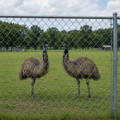
Emu Fencing Requirements: How To Build a Safe Enclosure
Learn about emu fencing requirements, including the best enclosure fence for emus, recommended fence height, materials, and tips for building a safe habitat.
Proper fencing does more than protect your emu mob from predators and prevent escapes—it may also be required by your homeowner’s insurance provider.
Subscribe
To join our mailing list and never miss an update!
If you're raising emus, one of the most important investments you'll make is proper fencing. Emus are powerful, athletic birds that can run up to 30 miles per hour and weigh well over 100 pounds as adults. While they are generally calm animals, they are naturally curious and can be surprisingly difficult to contain if their enclosure isn't designed correctly.
Whether you're raising a pair of backyard emus or managing a larger breeding operation, understanding proper emu fencing requirements is essential. The right fence protects your birds from predators, prevents costly escapes, and makes everyday farm management much easier.
In this guide, we'll cover the best fence for emus, recommended fence heights, construction tips, and common mistakes to avoid when building a safe enclosure.
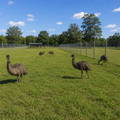
Why Proper emu fencing matters
Many new emu owners underestimate just how much stress a poorly designed fence can create. Unlike chickens or ducks, emus have long legs, powerful bodies, and a strong flight-or-fight instinct. If they become frightened by a predator, a loose dog, or even an unfamiliar object, they may run directly toward a fence line at full speed.
A quality enclosure serves several important purposes:
• Prevents escapes
• Protects emus from predators
• Reduces injury risks
• Simplifies handling and breeding management
• Protects neighboring property and livestock
Beyond containment, good fencing helps create a safer environment for the birds themselves. Emus are less likely to become injured when housed in a secure enclosure with smooth, highly visible fencing materials. Investing in proper fencing from the beginning is often far less expensive than repairing damaged fences or recovering escaped birds later.
How Tall Should an Emu Fence Be?
One of the most frequently asked questions among new owners is: How tall should an emu fence be?
While emus are not known for routinely jumping fences, they are capable of clearing surprisingly high obstacles when startled. Fence height provides an important safety margin, especially during breeding season or in areas with frequent predator activity.
For most situations, a fence should be:
• Minimum height: 5 feet
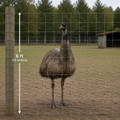
• Recommended height: 6 feet
• Breeding pens or high-traffic areas: 6–7 feet
Most experienced breeders consider six feet the ideal height for general use. The additional foot of height compared to a five-foot fence provides extra security without dramatically increasing construction costs.
If you're building a new enclosure, it's usually wise to plan for future needs. Even if your current birds seem calm, situations change. A six-foot fence can save considerable time and money compared to upgrading an existing fence later.
The Best Fence material choices for Emus
When evaluating the best fence for emus, strength, visibility, and durability should be your primary considerations. Emus tend to respect fences they can clearly see, and they require materials capable of handling occasional impacts and pressure.
1. No-Climb horse fence
Many breeders consider no-climb horse fencing, also known as woven wire fence, one of the best options available for emus.
Benefits include:
• Strong woven-wire construction
• Small openings that prevent entanglement
• Safe for both adults and chicks
• Long service life
The small mesh openings help prevent birds from getting their heads, necks, or legs caught in the fence. This is especially important for younger emus, which tend to investigate everything around them.
2. Heavy-Duty Field Fence
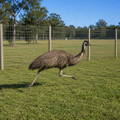
Heavy-duty field fencing is another popular option for emu farms.
When choosing, look for:
• Heavy-gauge wire
• Tight spacing near the ground
• At least 5–6 feet in height
Field fence can be a cost-effective solution for larger paddocks, but quality matters. Lightweight versions may sag over time or become damaged by livestock pressure.
3. Chain-Link Fence
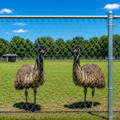
Chain-link fencing provides excellent security and durability.
Advantages include:
• Extremely strong
• Low maintenance
• Predator resistant
• Long-lasting
Although chain-link is often more expensive than woven wire, it can be an excellent choice for breeding pens, handling areas, or smaller enclosures where maximum security is desired.
Fencing Materials to Avoid
Not every fencing material is suitable for emus. Choosing the wrong fence can increase injury risks and create ongoing maintenance problems.
Avoid:
• Barbed wire
• 3 and 4-rail wood fencing
• Single-strand electric fencing
• Lightweight poultry netting
• Damaged or rusted fencing materials
Barbed wire presents one of the greatest risks. An emu that collides with barbed wire can suffer serious cuts and injuries. Likewise, standard chicken wire simply lacks the strength needed for birds of this size.
Wood rail fencing is designed for keeping horses and cattle contained. It is not an effective method to keep predators out or a flighty emu from launching over it.
While electric fencing can be used as a secondary deterrent in some situations, it should not be relied upon as the primary barrier for containing emus.
Trending Articles


Post Spacing and Fence Construction
Even the best fencing material will fail if it isn't properly installed. Strong posts and proper bracing are essential for maintaining fence integrity over time.
Recommended guidelines include:
• Wood or steel posts
• Post spacing every 8–12 feet
• Braced corners and gate openings
• Tightly stretched wire
Fence maintenance is equally important. Regular inspections can identify loose wires, damaged posts, or erosion around the fence line before they become larger problems.
A well-constructed fence should remain stable even when birds lean against it or wildlife applies pressure from the opposite side.
Gate Requirements for Emu Pens
Many escapes occur through gates rather than over fences. For that reason, gates deserve just as much attention as the fence itself.
When selecting gates:
• Match gate height to fence height
• Use secure latches
• Eliminate gaps underneath
• Inspect hinges regularly
Some breeders also install a small catch pen or double-gate system near entry points. This creates a secondary containment area and greatly reduces the chances of birds escaping while equipment or vehicles are entering the enclosure.
Predator Protection
Adult emus are large animals, but they can still be vulnerable to predator pressure, particularly when housed near wooded areas. Chicks and juvenile birds face even greater risks.
Common predators may include:
• Coyotes
• Domestic dogs
• Foxes
• Bobcats
To improve security:
• Keep fencing tight to the ground
• Repair damage promptly
• Remove vegetation along fence lines
• Consider secondary predator deterrents if needed
A secure perimeter helps protect your birds while also discouraging predators from repeatedly testing the enclosure.
emu enclosure space requirements
Common Emu Fencing Mistakes
Trending Products
Copyright©2026 All rights reserved. We love to have you share our article as long as you include a direct link to this page. This article or any portion thereof , including all images, may not be reproduced or used in any manner whatsoever without the express written permission of Gypsy Shoals Farm.