


Subscribe
To join our mailing list and never miss an update!
WHAT IS ALPHA-GAL SYNDROME?
Alpha-Gal Syndrome (AGS) is a potentially serious food allergy that has emerged as a growing health concern throughout the United States, particularly in the Southeast where tick populations are abundant. Unlike traditional food allergies that are triggered by proteins, Alpha-Gal Syndrome is caused by an allergic reaction to a carbohydrate molecule known as galactose-α-1,3-galactose, commonly referred to as alpha-gal.
This sugar molecule is naturally found in the tissues of most mammals, including cattle, pigs, sheep, goats, deer, rabbits, elk, and bison. When a person with Alpha-Gal Syndrome consumes meat or products derived from these animals, their immune system may respond with symptoms ranging from mild itching and digestive discomfort to severe allergic reactions and anaphylaxis.
What makes Alpha-Gal Syndrome especially unusual is that it is typically acquired rather than inherited. Many people who develop the condition have eaten red meat their entire lives without issue before suddenly finding themselves unable to tolerate foods they once enjoyed.
For many patients, receiving a diagnosis means making significant dietary changes and learning to navigate a condition that was virtually unknown to most healthcare providers just a few decades ago.
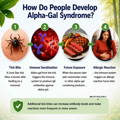
How Do People Develop Alpha-Gal Syndrome?
In the United States, Alpha-Gal Syndrome is most commonly associated with bites from the Lone Star tick. Researchers believe that when these ticks feed on mammals and later bite humans, they can introduce alpha-gal-containing substances into the bloodstream. In susceptible individuals, the immune system mistakenly identifies alpha-gal as a harmful invader and begins producing Immunoglobulin E (IgE) antibodies against it.
Once this sensitization occurs, the body becomes primed to react whenever alpha-gal is encountered again. The next time the individual consumes mammalian meat or another product containing alpha-gal, the immune system may trigger an allergic reaction. Additional tick bites can sometimes increase antibody levels and worsen sensitivity, which is why avoiding future tick exposure is often an important part of managing the condition.
The geographic expansion of the Lone Star tick has contributed to growing awareness of Alpha-Gal Syndrome. As tick populations have spread into new regions, healthcare providers have identified increasing numbers of cases, making AGS one of the fastest-growing food allergy concerns in many parts of the country.

How Alpha-Gal Syndrome Changes the Body's Physiology
Alpha-Gal Syndrome causes a significant change in the way the immune system recognizes and responds to certain substances. Under normal circumstances, the body does not view alpha-gal as a threat. However, after sensitization from a tick bite, the immune system begins producing IgE antibodies that specifically target the alpha-gal molecule.
These antibodies attach themselves to mast cells and basophils, which are specialized immune cells found throughout the body. Mast cells contain powerful inflammatory compounds, including histamine, that help coordinate immune responses. Once the body has become sensitized, these cells essentially become armed and ready to react whenever alpha-gal is encountered again.
When a person with Alpha-Gal Syndrome consumes mammalian meat or products containing alpha-gal, the carbohydrate enters the bloodstream during digestion. The alpha-gal molecules bind to the IgE antibodies attached to mast cells and basophils, triggering these cells to release histamine and other inflammatory chemicals. This release creates the symptoms associated with an allergic reaction.
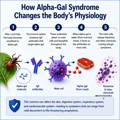
Histamine increases blood vessel permeability, which can cause swelling, hives, itching, flushing, and skin irritation. Other inflammatory compounds affect the gastrointestinal system, often resulting in abdominal pain, nausea, vomiting, and diarrhea. In severe cases, the inflammatory response can impact the respiratory and cardiovascular systems, leading to difficulty breathing, dizziness, low blood pressure, and potentially life-threatening anaphylaxis.
One of the most fascinating aspects of Alpha-Gal Syndrome is its delayed reaction time. Most food allergies involve proteins that are rapidly absorbed into the bloodstream, causing symptoms within minutes. Alpha-gal is different because it is associated with fats and lipid-containing molecules that require more time to digest and absorb. As a result, symptoms often appear three to eight hours after eating, making it difficult for many patients to connect their reaction to a meal consumed earlier in the day.
Current research suggests that Alpha-Gal Syndrome does not permanently damage organs or tissues. Instead, it alters how the immune system responds to a specific molecule found in mammalian products. In some individuals, antibody levels gradually decline over time if they avoid additional tick bites, although the rate and extent of improvement vary considerably from person to person.
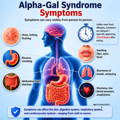
aLPHA-GAL SYMPTOMS & COMMON TRIGGERS
The symptoms of Alpha-Gal Syndrome can vary widely between individuals. Some people experience relatively mild reactions, while others may develop severe or even life-threatening symptoms.
Reactions commonly include hives, itching, swelling, abdominal pain, nausea, vomiting, diarrhea, dizziness, and shortness of breath. In more severe cases, patients may experience anaphylaxis, a medical emergency that requires immediate treatment.
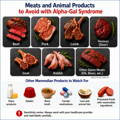
Most individuals diagnosed with Alpha-Gal Syndrome must avoid mammalian meats such as beef, pork, lamb, venison, goat, rabbit, elk, and bison. However, the condition is not always limited to meat alone. Some patients also react to dairy products, gelatin, bone broth, certain medications, and other products derived from mammals. Because sensitivity levels vary significantly, each patient's dietary restrictions may be somewhat different.
This variability can make managing Alpha-Gal Syndrome challenging. Many individuals must work closely with healthcare providers and allergists to determine which foods and products are safe for them and which should be avoided.
THE CHALLENGE OF REPLACING RED MEAT
One of the most difficult aspects of living with Alpha-Gal Syndrome is losing access to traditional red meat. For many people, beef, pork, and venison are dietary staples that play a central role in family meals, holiday gatherings, and favorite recipes. Suddenly removing these foods can feel overwhelming.
While chicken, turkey, fish, and seafood are generally safe for most Alpha-Gal patients, they do not always satisfy the desire for a true red meat experience. The flavor, texture, appearance, and cooking characteristics of traditional red meat are difficult to replicate with conventional poultry.
As a result, many people diagnosed with Alpha-Gal Syndrome begin searching for alternatives that provide the taste and versatility of red meat without exposing them to alpha-gal. This search has led growing numbers of patients to discover emu meat.
Trending Articles


WHY EMU MEAT IS DIFFERENT THAN OTHER RED MEATS
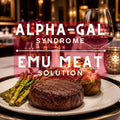
The reason emu meat is generally tolerated by people with Alpha-Gal Syndrome is surprisingly simple: emus are birds, not mammals. Since alpha-gal is found in mammalian tissues but not in birds, emu meat does not contain the carbohydrate responsible for triggering Alpha-Gal reactions.
Although emus are classified as poultry, their meat looks remarkably different from chicken or turkey. Emu meat has a deep red color and a rich flavor profile that many consumers compare to beef. This distinctive appearance comes from the muscle structure and myoglobin content of the meat rather than from any mammalian characteristics.
Because emu meat is biologically distinct from mammalian meats, the alpha-gal molecule is absent. For many Alpha-Gal patients, this means they can enjoy a red meat-like dining experience without triggering the immune response associated with beef, pork, or venison.
It is important to note that emu is not the only red meat produced by a bird. Ostrich is also a red meat that does not contain alpha-gal. However, emu is generally more accessible in many parts of the United States and has become one of the most recognized alternatives among Alpha-Gal patients seeking a practical replacement for traditional red meat.
Why Many Alpha-Gal Patients Choose Emu Meat
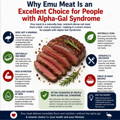
For individuals who miss burgers, steaks, chili, meatballs, and roasts, emu meat offers a unique solution. It provides many of the qualities people associate with red meat while remaining free of the alpha-gal molecule that triggers allergic reactions.
Emu meat is also known for its impressive nutritional profile. It is naturally lean, high in protein, and lower in saturated fat than many traditional red meats. It also contains important nutrients such as iron, zinc, and B vitamins, making it attractive to both Alpha-Gal patients and health-conscious consumers.
Its versatility in the kitchen is another major advantage. Emu can be used in a wide variety of recipes that traditionally call for beef. Whether grilled as a steak, formed into burgers, added to chili, or incorporated into other favorite dishes, it offers a familiar culinary experience that many Alpha-Gal patients thought they had lost permanently.
While emu meat itself does not contain alpha-gal, individuals with Alpha-Gal Syndrome should always consult their healthcare provider before introducing any new food into their diet. Cross-contamination during processing, added ingredients, or individual sensitivities may still create concerns for some patients.

Living Well With Alpha-Gal Syndrome

THE TAKEAWAY REGARDING ALPHA-GAL SYNDROME
Trending Products
Copyright©2026 All rights reserved. We love to have you share our article as long as you include a direct link to this page. This article or any portion thereof , including all images, may not be reproduced or used in any manner whatsoever without the express written permission of Gypsy Shoals Farm.