


Subscribe
To join our mailing list and never miss an update!
Humidity is one of the most important—and most misunderstood—factors in emu egg incubation. Because emu eggs take approximately 50 days to hatch, even small humidity errors can accumulate over time and significantly reduce hatch success.
Unlike chicken eggs, emu eggs require low, consistent humidity throughout incubation and hatching. Raising humidity late in the process is a common mistake that often leads to fully formed chicks that fail to hatch.
Understanding how humidity affects moisture loss, air cell development, respiration, and embryo positioning is essential for anyone incubating emu eggs successfully.

Why Humidity Matters in Emu Egg Incubation
Emu eggs are large, heavy, and thick-shelled. These characteristics allow them to retain moisture extremely well, which is beneficial in natural incubation but can cause problems in artificial incubators if humidity is too high.
During incubation, the developing emu embryo:
• Consumes oxygen
• Releases carbon dioxide
• Gradually draws water from the egg’s internal contents
Humidity controls how quickly moisture leaves the egg through microscopic pores in the shell. If moisture loss occurs too slowly, the embryo retains excess fluid. If moisture loss occurs too quickly, the embryo can become dehydrated. Either imbalance interferes with normal development.
For emu eggs, the goal is achieving steady, controlled moisture loss over the entire incubation period.

Trending Articles



Emu Egg Structure and Moisture Exchange
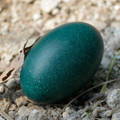
For some reason established a long time ago, emu egg weights are always recorded in grams, not ounces or pounds. Emu eggs typically weigh between 450 and 650 grams and have shells much thicker than those of chickens. These shells contain thousands of pores that allow gas exchange while limiting moisture loss. Because of this structure, fertilized emu eggs respond differently to humidity than smaller poultry eggs.
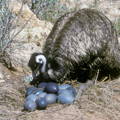
In natural incubation, the male emu incubates the eggs on the ground, where airflow, soil moisture, and ambient humidity work together to regulate dehydration slowly. Artificial incubators must replicate this process by maintaining low humidity while ensuring adequate ventilation.
This balance between airflow and moisture retention is critical. Too little ventilation can trap moisture even at low humidity settings, while excessive ventilation can accelerate moisture loss.
Ideal Humidity for Incubating Emu Eggs
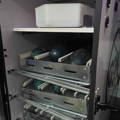
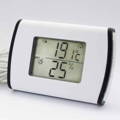
For emu eggs, humidity should remain low and stable from day one through hatch. These levels allow moisture to escape at the correct rate without dehydrating the embryo.
Recommended Relative Humidity (RH):
• 25–35% RH
• Most experienced breeders aim for 28–30% RH
Using chicken egg humidity levels (45–55% RH) is one of the most common mistakes made by new emu breeders and will results in poor hatch outcomes. Because emu eggs retain moisture efficiently, higher humidity slows evaporation too much, leading to inadequate air cell development and weak respiratory preparation.
Moisture Loss and Air Cell Development
As water evaporates from the egg during incubation, the air cell at the blunt end gradually enlarges. This air cell plays a critical role in the hatching process.
Near the end of incubation, the chick internally pips into the air cell and begins lung respiration. A properly sized air cell provides the oxygen necessary for this transition.
If humidity is too high:
• Air cells remain small
• Oxygen availability is reduced
• Chicks may fail to initiate breathing
If humidity is too low:
• Air cells become excessively large
• Embryos may experience dehydration stress
• Hatch viability decreases
Correct air cell development depends on consistent moisture loss over time—not last-minute adjustments. It also affects proper yolk sac development which is detailed in this article: 'The Role of the Yolk Sac in Emu Embryo Development'.
Track Egg Weight Loss for Accuracy
Humidity readings alone are not reliable indicators of correct incubation conditions. Hygrometers can vary in accuracy, and incubator airflow significantly affects evaporation rates. For this reason, experienced emu breeders rely on egg weight loss as the primary method of humidity management.
Target Weight Loss
Emu eggs should lose 12–15% of their original weight by the time of hatch.
How to Track Weight Loss
1. Weigh each egg before placing it in the incubator
2. Weigh eggs weekly using the same scale
3. Compare cumulative loss to the target percentage
Interpreting Results
• Weight loss too slow → humidity is too high
• Weight loss too fast → humidity is too low
Egg weight provides direct feedback from the egg itself and reflects actual conditions inside the shell.
What Happens When Humidity Is Too High
Excess humidity is the leading cause of emu incubation failure. Problems often appear late in development or during hatching.
Common consequences include:
• Poor or minimal air cell development
• Delayed or failed internal pipping
• Weak respiratory effort
• Fully formed chicks that never externally pip
These embryos often appear fully developed but fail because their lungs were never properly stimulated by adequate air cell expansion. To learn about all the reasons eggs may not hatch, read the article: '10 Reasons Emu Eggs Fail To Hatch'.
What Happens When Humidity Is Too Low
While less common, insufficient humidity can also affect development.
Potential issues include:
• Excessive moisture loss
• Dehydration of the embryo
• Developmental stress
• Reduced hatch success
Although emu chicks are less prone to membrane “shrink-wrapping” than chickens, extreme dehydration can still weaken embryos and increase mortality.
Hatching Emu Eggs: Do Not Increase Humidity
A critical difference between emu and chicken incubation is that humidity should not be raised during the hatching phase. Raising humidity during pip and hatch can:
• Reduce oxygen diffusion through the shell
• Interfere with lung inflation
• Cause fluid retention around respiratory tissues
• Prevent external pipping
If humidity and moisture loss were managed correctly throughout incubation, the chick already has the conditions it needs to hatch successfully. Late humidity changes cannot correct earlier mistakes and often worsen outcomes.
Step by step instructions on the entire emu egg hatching process can be found in the article 'How To Hatch Emu Eggs'.
Environmental Factors That Influence Humidity Needs
Humidity requirements vary depending on:
• Incubator design (forced-air vs. still-air)
• Room humidity
• Ventilation rate
• Shell thickness variation
• Egg age before incubation
These variables explain why identical humidity settings can produce different results. Weight loss tracking accounts for these differences and allows precise adjustment.

Practical Tips for Managing Humidity Successfully
• Use calibrated hygrometers and verify accuracy regularly
• Balance ventilation with moisture retention
• Adjust humidity gradually based on egg response
• Weigh eggs consistently on the same scale
• Avoid unnecessary incubator opening
• Maintain 25–35% RH throughout incubation and hatch
• Aim for 12–15% total egg weight loss by hatch
• Do not raise humidity during hatching
• Use egg weight loss as the primary guide
Proper humidity management supports strong lung development, correct air cell size, and higher hatch success. For anyone incubating emu eggs, mastering humidity is one of the most impactful steps toward higher hatch rates and stronger emu chicks.

Trending Products
Copyright©2026 All rights reserved. This article or any portion thereof , including all images, may not be reproduced or used in any manner whatsoever without the express written permission of Gypsy Shoals Farm.