

Subscribe
To join our mailing list and never miss an update!
Winter brings unique challenges for backyard chicken keepers. Cold temperatures, snow, ice, and shorter daylight hours can impact flock health, egg production, and overall wellbeing.
While chickens are hardy animals, without proper care, winter conditions can lead to frostbite, respiratory issues, and stress that weaken immunity. Understanding the essentials of winter chicken care ensures your flock stays healthy, active, and safe throughout the colder months.
understanding how chickens handle cold
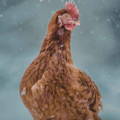
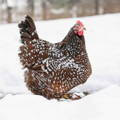
Chickens are remarkably adaptable. Breeds with dense feathering, larger combs, or smaller body sizes may respond differently to cold. Feathers provide insulation, and chickens can fluff them up to trap air and maintain body heat. However, extreme cold, wet conditions, or drafts in the coop can overwhelm these natural defenses.
The goal of winter chicken care is to maintain warmth, minimize stress, and prevent cold-related injuries, while continuing to provide adequate nutrition and hydration.
preparing the coop for winter
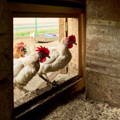
A warm and dry coop is the foundation of winter flock care. Key considerations include:
• Ventilation Without Drafts
Proper airflow prevents moisture accumulation, which can lead to frostbite and respiratory illness. However, avoid drafts at the birds’ level. Ridge vents, soffit vents, or small adjustable windows can help circulate air while protecting chickens from cold wind. Moisture control is critical in winter because condensation can freeze on walls, creating damp conditions that exacerbate health risks.
• Insulation
Insulating the coop with straw, foam panels, or other safe materials can help retain heat. Keep insulation away from direct contact with chickens to prevent pecking or ingestion. Even small temperature improvements inside the coop can make a noticeable difference in bird comfort.
• Bedding Management
Deep, dry bedding is essential. Straw, pine shavings, or hemp can provide warmth and absorb moisture from droppings. Consider layering bedding to create extra insulation and check frequently for damp spots. Maintaining dry bedding reduces ammonia buildup and supports respiratory health.
• Coop Lighting and Heating
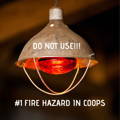
Shorter days in winter can reduce egg production. Supplemental lighting can help maintain laying schedules but should be used safely. A single bulb or LED light on a timer can extend daylight hours to 14–16 hours, without overheating the coop or creating fire hazards.
It’s important to remember that nature designed a hen's body to slow down egg production and rest for a season. This allows them to use energy to stay warm instead of egg production and gives the reproductive cycle a much-needed rest after laying throughout the warmer seasons. By adding a light source, you are tricking the internal body clock to continue egg production in a forced situation.
Never use heat lamps. They are the #1 cause of fires in chicken coops. As a general rule, adult chickens should never need a heat lamp if they are with others inside the coop. They will gather together and keep each other warm using body heat. If you feel an additional heat source is needed, always you a radiant heat plate instead of a heat bulb.
Protecting Chickens from Frostbite
Frostbite is one of the most common winter injuries in chickens. Comb tips, wattles, and feet are particularly vulnerable. Breeds with large, bright red combs are more susceptible. Preventing frostbite involves:
• Reducing drafts: Ensure the coop is free from cold drafts at bird level.
• Applying protective balms: In extreme cold, non-toxic petroleum-based or specialty balms can protect combs and wattles.
• Monitoring humidity: Wet conditions accelerate frostbite. Keep bedding dry and control moisture levels.
• Providing perches: Elevated roosts keep feet off cold floors and improve circulation.
Regular inspections are important for treatment and prevention of frostbite damage during severe cold weather.
Trending Articles
Nutrition and Feeding in Winter
Chickens burn more calories in cold weather to maintain body heat. Feeding practices should adjust accordingly:
• Increase caloric intake: Provide slightly more feed, especially high-energy grains or scratch on extreme cold days. Preparing fermented feed to your flock when temperatures are below freezing offers the benefit of a heartier meal with improved digestability.
• Supplement with treats: Scraps like cooked grains, vegetables, or healthy kitchen waste can provide additional calories.
• Provide grit: Chickens need grit to digest food efficiently, especially when grain intake increases.
• Ensure water is accessible: Waterers may freeze in low temperatures. Heated waterers or frequent checks are necessary to prevent dehydration.
Managing Outdoor Access
Even in cold weather, chickens benefit from outdoor time if conditions are safe:
• Snow and ice: Chickens enjoy foraging in snow, but ensure paths are clear and free of ice hazards.
• Wind protection: Provide sheltered outdoor areas with windbreaks such as tarps, shrubs, or fenced enclosures.
• Limited exposure in extreme cold: On very harsh days, keep birds primarily inside the coop to prevent hypothermia and frostbite.
Maintaining outdoor access in moderate conditions keeps chickens active and reduces boredom-related behaviors such as feather pecking.
Health Monitoring in Winter
Winter can exacerbate certain health risks, making monitoring even more important. Early detection allows for timely intervention and prevents small problems from becoming serious.
• Respiratory issues: Cold, damp conditions can trigger respiratory infections. Watch for coughing, sneezing, or nasal discharge.
• Weight and body condition: Birds may lose weight if feed or water is limited. Gently check body condition weekly. Because chickens extend their feathers to trap heat next to the body, they may appear heavier than they actually are- rendering visual weight guaging more difficult.
• Fecal monitoring: Routine monitoring for unusual fecal deposits, such as blood in the stool, reveals serious conditions such as coccidiosis and worms.
• Egg production: Monitor laying patterns. Reduced production is normal and natural due to shorter daylight hours but sudden drops may indicate health issues.
breed considerations
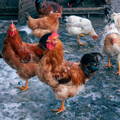
Some breeds are naturally more cold-hardy due to feather density, higher body fat percentages and body size. For example, Orpingtons, Plymouth Rocks, and Rhode Island Reds handle cold better due to thick plumage. On the other hand, Modern Fowl, Silkies and all bantam breeds may require additional care.
Adjust your winter management practices based on your flock’s breed composition.
Winter Safety Tips
• Prevent moisture accumulation: Wet bedding, condensation, or snow tracked inside increases risk of frostbite and respiratory issues.
• Avoid heat lamps for warmth: While tempting, heat lamps can cause fires if not installed properly. Safer alternatives include insulated coops and deep bedding.
• Regularly inspect the coop: Check for drafts, moisture, frozen waterers, and signs of illness daily.
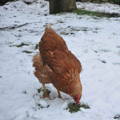
Winter places new demands on both chickens and their keepers, but the right preparation makes all the difference. Maintaining a dry, draft-free yet well-ventilated coop, preventing frostbite, adjusting nutrition to meet higher energy needs, and consistently monitoring flock health are the foundations of successful winter care. These proactive steps help chickens conserve energy, avoid illness, and stay comfortable despite harsh conditions.
Cold weather doesn’t have to slow your flock down. With attentive management and a willingness to adapt to seasonal challenges, chickens can remain healthy, resilient, and productive throughout the winter months. Thoughtful winter care not only protects your birds but also creates a more stable, less stressful environment- setting the stage for a strong, healthy flock when spring arrives.
Trending Products
Copyright©2026 All rights reserved. We love to have you share our article as long as you include a direct link to this page. This article or any portion thereof , including all images, may not be reproduced or used in any manner whatsoever without the express written permission of Gypsy Shoals Farm.