
Managing Moisture and Ammonia in the Chicken Coop
Learn how to manage moisture and ammonia in your chicken coop to keep your flock healthy, prevent respiratory issues, and maintain a clean, safe environment.
Ammonia in a chicken coop is created when microorganisms break down nitrogen-rich waste, primarily from chicken droppings.
Subscribe
To join our mailing list and never miss an update!
A healthy chicken flock depends on more than just feed and fresh water. The environment inside the coop plays a critical role in the overall wellbeing of your birds. Two of the most significant challenges backyard chicken keepers face are excess moisture and ammonia buildup.
Left unchecked, these conditions can lead to respiratory issues, infections, and reduced egg production. Understanding how moisture and ammonia develop—and implementing practical solutions—can make a dramatic difference in flock health.
How Moisture Accumulates in the Coop
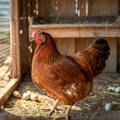
Moisture in a chicken coop comes from several sources. Chickens naturally produce water vapor through respiration and droppings. Leaks in the roof, condensation from cold walls, and spilled water can also contribute to damp conditions. During colder months, moisture often condenses on walls and ceilings, creating a humid environment that encourages bacteria and mold growth.
Excess moisture creates a cycle that is particularly harmful:
1. Wet bedding promotes ammonia production.
2. Damp conditions increase the risk of respiratory infections.
3. Moisture encourages mold and parasites, affecting both the coop and the chickens’ health.
Monitoring and managing moisture levels is therefore essential year-round, but especially during winter when ventilation is often reduced to conserve heat.
Understanding Ammonia and Its Impact
Ammonia is a colorless gas produced by the breakdown of uric acid in chicken droppings. In small amounts, it isn’t harmful, but when it accumulates in the coop and bedding material, it becomes a serious hazard.
Ammonia has a pungent odor and can irritate the eyes, respiratory tract, and lungs of your chickens. Chronic exposure can weaken the immune system, making birds more susceptible to infections and reducing overall flock performance.
High ammonia levels also affect humans. Regular exposure to strong ammonia fumes can cause irritation to the eyes, nose, and throat, so managing ammonia is important for both chicken and keeper.
Key Strategies for Managing Moisture and Ammonia
1. Proper Ventilation
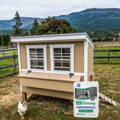
Ventilation is the most critical factor in reducing both moisture and ammonia. Even in cold weather, a well-ventilated coop allows air to circulate and moisture to escape without creating drafts that chill your flock. Ridge vents, soffit vents, and small windows positioned to encourage airflow can maintain a steady exchange of air while protecting chickens from cold drafts.
2. Dry, Absorbent Bedding
Choosing the right bedding material is essential. Course grade contruction sand is our preferred method on Gypsy Shoals Farm, but straw, pine shavings, or hemp are commonly used because they absorb moisture effectively. Bedding should be deep enough to allow droppings to mix in and be changed or sifted regularly. More common in Europe, a deep-litter method allows bedding to compost naturally over time, but it must be carefully monitored to prevent excessive ammonia buildup.
3. Regular Cleaning
Even with proper bedding and ventilation, regular coop cleaning is crucial. Remove wet, soiled bedding frequently and replace it with fresh, dry material. Pay special attention to nesting boxes and corners where moisture tends to accumulate. A clean coop not only reduces ammonia but also minimizes the risk of bacteria, mold, and parasites.
Trending Articles


4. Control Water Sources
Spilled water is a hidden contributor to moisture. Ensure waterers are stable and positioned to prevent tipping. Heated waterers can prevent freezing in winter but also require monitoring to avoid condensation that adds to humidity.
5. Use Ammonia Absorbers
Some keepers use natural absorbents like agricultural lime or diatomaceous earth to reduce ammonia levels in the coop. These can be sprinkled on bedding or in areas where droppings accumulate. While helpful, absorbents should complement, not replace, good ventilation and cleaning practices. Care should be taken when spreading these products because they create a lot of dust that can irritate your chicken's respiratory system as well as your own.
6. Monitor and Adjust
Routine inspection is vital. Check bedding for dampness, observe for condensation on walls, and smell for ammonia. Simple tests, like holding a mirror near the floor to detect moisture buildup, can reveal problem areas. Adjust bedding, ventilation, and cleaning schedules as needed to maintain a safe, dry environment.
Seasonal Considerations
Managing moisture and ammonia requires different approaches depending on the season. In winter, keepers often reduce ventilation to preserve warmth, which can unintentionally trap moisture and ammonia. In summer, higher humidity and temperature may exacerbate odors. Seasonal adjustments—like adding vents in summer or using insulating but breathable materials in winter—help maintain balance.
MOISTURE INCREASES RISK OF COCCIDIOSIS
Coccidiosis risk is significantly increased when moisture is present in the coop. Chickens become infected by ingesting microscopic eggs called oocysts, which are shed in droppings. Once swallowed, the parasites invade and damage the intestinal lining. Coccidia thrive in wet conditions.
Moisture allows oocysts to mature and become infectious. This is why coccidiosis outbreaks are common in brooders, wet coops, poorly ventilated housing and during rainy seasons. Common symptoms of coccidiosis vary by severity but often include:
• Lethargy
• Fluffed feathers
• Loss of appetite
• Pale comb
• Weight loss
• Diarrhea
• Bloody droppings (in severe cases)
• Sudden death (especially in chicks)

Benefits of Proper Moisture and Ammonia Management
Maintaining a dry, well-ventilated coop with minimal ammonia offers multiple benefits:
• Healthier chickens: Reduced respiratory problems, stronger immune systems, and lower stress.
• Improved egg production: Healthy birds lay more consistently.
• Cleaner environment: Less mold, bacteria, and parasite activity.
• Safer for keepers: Minimizes exposure to harmful ammonia fumes.
Addressing moisture and ammonia proactively prevents small problems from becoming large, costly, and stressful for both the flock and the keeper.
Moisture and ammonia are among the most overlooked threats to backyard flocks. While feeding, watering, and egg collection are visible, the unseen environment inside the coop plays an equally important role in flock health. By prioritizing proper ventilation, absorbent bedding, regular cleaning, and careful water management, you can create a safe, healthy, and productive environment for your chickens.
Managing moisture and ammonia is not just a maintenance task—it’s an essential component of responsible poultry care. With the right strategies, your flock will thrive, laying healthier eggs and living longer, more comfortable lives, while you enjoy a cleaner, safer coop year-round.
Trending Products
Copyright©2026 All rights reserved. We love to have you share our article as long as you include a direct link to this page. This article or any portion thereof , including all images, may not be reproduced or used in any manner whatsoever without the express written permission of Gypsy Shoals Farm.