

A Complete Guide to Monitoring Chicken Health at Home
Learn how to monitor your chickens’ health at home, recognize signs of illness, and maintain a strong, thriving flock with practical, expert tips.
Good bio-security and routine maintence will prevent 99% of the most common issues challenging backyard chickens health and wellness.
Subscribe
To join our mailing list and never miss an update!
Keeping a backyard flock comes with more responsibilities than simply providing food and water. Chickens are surprisingly resilient animals, but they can fall ill quickly if environmental conditions, nutrition, or early warning signs are overlooked.
Monitoring chicken health at home is essential for preventing disease, maintaining productivity, and ensuring your flock thrives. This complete guide will walk you through what to look for, how to check your birds regularly, and best practices for maintaining optimal health.
Why Monitoring Chicken Health Matters
Regular health monitoring is critical for several reasons. First, chickens are prey animals and often mask symptoms of illness until it becomes serious. Early detection can prevent the spread of disease and reduce mortality. Second, healthy chickens lay more consistently and produce better-quality eggs. Finally, keeping your flock healthy supports your investment in time, money, and resources while promoting overall animal welfare.
By proactively observing your birds and taking routine measures, you can catch problems early, prevent costly interventions, and maintain a productive, happy flock.
Understanding What “Healthy” Looks Like
Before you can spot problems, you need to know what healthy chickens look like. A healthy bird demonstrates good posture, bright eyes, and active behavior. Here are the key indicators to monitor regularly:
• Eyes: Clear, bright, and free of discharge.
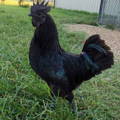
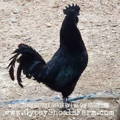
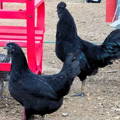
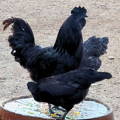
• Comb and wattles: Vibrant red in most breeds; deep and black in ayam cemani. Pale and dull combs may indicate anemia or illness.
• Feathers: Smooth, clean, and glossy. Patchy or ruffled feathers may signal parasites or stress.
• Posture: Alert, upright, and mobile. Lethargic or hunched birds may be unwell.
• Appetite: Eating and drinking normally. Loss of appetite can indicate digestive or systemic issues.
• Droppings: Consistency and color should be monitored daily. Normal droppings are firm with a white urate tip. Changes may indicate digestive problems or infections.
Monitoring these features consistently helps establish a baseline. When something changes, you’ll know immediately that a closer inspection is needed.
Daily Observation Practices
Daily health checks should become part of your chicken-keeping routine. Spend a few minutes observing the flock’s behavior and inspecting individuals for signs of distress. During daily observation, look for the following:
• Activity level: Healthy chickens are curious, foraging, and moving around freely.
• Social behavior: Birds interact normally with flock mates; sudden isolation can indicate illness or bullying.
• Feeding patterns: Monitor feed and water intake. A drop in consumption is often the first sign of illness.
• Respiration: Listen for coughing, sneezing, wheezing, or labored breathing. Respiratory symptoms can signal infections or ammonia exposure.
Keep a notebook or digital log to track daily observations. Recording details like egg production, unusual behavior, or droppings can help detect trends over time.
Weekly Hands-On Health Checks
In addition to daily observation, conduct hands-on checks at least once a week. Gentle handling allows you to detect issues that may not be visible from a distance. Key weekly inspections include:
1. Weight and Body Condition
Hold each bird gently and feel the keel bone (the breastbone running down the chest). Healthy chickens have a firm, well-muscled body. Weight loss or overly thin birds may be suffering from illness, parasites, or poor nutrition.
2. Skin and Feather Inspection
Part the feathers and check for mites, lice, or skin lesions. Feather condition also provides insight into nutrition, molting, or environmental stressors.
3. Beak, Eyes, and Comb Examination
Check for abnormalities such as discharge, scabs, swelling, or discoloration. Eye infections and comb issues are often early indicators of systemic problems.
4. Vent Check
Inspect the vent area for cleanliness, swelling, or unusual discharge. A soiled or swollen vent may indicate diarrhea, worms, or egg-laying problems.
5. Feet and Legs
Look for scaly leg mites, bumblefoot, or cuts. Foot and leg problems can impact mobility and are sometimes overlooked until severe.
6. Wing and Tail Movement
Ensure wings and tails move freely without pain. Stiffness or drooping can indicate injury or disease.
Handling should always be calm and gentle to reduce stress, which can exacerbate health issues. We've found the best approach to weekly inspections is waiting until everyone is on the roost for the night, equipping headlamps and entering the coop. There's no chasing chickens around trying to catch them and the flock remains calm.
Recognizing Common Chicken Illness Symptoms
Understanding common signs of illness can help you intervene quickly. Some typical indicators include:
• Lethargy or inactivity: Birds that sit constantly or isolate themselves may be ill.
• Loss of appetite or weight: Often the first observable symptom of disease.
• Coughing, sneezing, or wheezing: Can indicate respiratory infections such as infectious bronchitis or Mycoplasma.
• Diarrhea or unusual droppings: Changes in color, texture, or frequency may indicate digestive or parasitic issues, such as coccidiosis.
• Pale or discolored combs and wattles: May signal anemia, infection, or heat/cold stress.
• Feather loss or poor feather quality: Could indicate mites, lice, or nutritional deficiencies.
• Swelling or lumps: May be caused by abscesses, tumors, or injury.
Recognizing these signs early increases the chances of effective treatment and recovery.
Trending Articles
Environmental Factors Affecting Health
Chicken health is closely tied to the environment. Poor ventilation, damp bedding, overcrowding, and extreme temperatures can all contribute to illness. Maintaining a clean, well-ventilated, and appropriately sized coop is one of the most effective preventive measures.
Key factors to monitor include:
• Coop cleanliness: Regular removal of droppings and wet bedding prevents disease and parasites.
• Ammonia levels: High ammonia can cause respiratory issues. Ensure proper ventilation to reduce buildup.
• Temperature and humidity: Extreme cold or heat stresses chickens, weakening their immune systems.
• Predator-proofing: Constant pressure from predators can increase susceptibility to disease.
Nutrition and Health Monitoring
A balanced diet is fundamental to overall health. Feed quality, access to grit, and clean water directly influence immunity, feather condition, egg production, and energy levels. Creating your own fermented chicken feed is not only very healthy for your flock- it's also a cost saver.
Signs of nutritional deficiency include poor feather quality, reduced egg laying, and lethargy. Supplementing with vitamins or calcium should be done carefully and preferably based on observed needs.
Preventive Practices
Preventive care reduces the likelihood of disease and minimizes the need for treatment. Combining preventive care with consistent monitoring creates a strong foundation for flock health.
Important preventive strategies include:
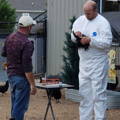
• Strictly practice bio-security: Have specific shoes and clothing that you only wear in the chicken yard and limit the number of people who enter it. Diesese and virus can be carried to your farm on the bottom of your shoes.
• Routine deworming and parasite checks: Follow recommendations for your flock size and local conditions.
• Vaccinations: Some regions recommend vaccines for Marek’s disease, Newcastle disease, and other conditions.
• Quarantine new birds: Introduce new chickens to the flock slowly to prevent introducing disease. Keep them isolated for 30 days so they are not in contact with any of your other chickens, household pets, barn cats or farm animals.
• Observation during molting: The molting process is stressful; extra nutrition and protection from cold can prevent secondary health issues.
Using Logs and Health Records
Maintaining detailed records of each bird helps detect subtle changes before they become serious problems. Keep vaccination and NPIP (National Poultry Improvement Program) testing records current. Monitor the following issues if something seems “off” with one of your birds.
• Weight and body condition
• Egg production and quality
• Feeding and water intake
• Behavioral changes
• Illness signs and treatments administered
Keeping records allows you to notice patterns and take action early, improving the flock’s long-term health and value.
When to Consult a Veterinarian
While home monitoring is effective for routine health checks, professional veterinary care is essential when:
• Birds show persistent or worsening symptoms
• Multiple birds are affected simultaneously
• You suspect infectious disease
• Injuries require treatment beyond basic care
Early consultation can prevent mortality and limit the spread of contagious diseases.
the takeaway
Monitoring chicken health at home is an ongoing process that combines daily observation, weekly hands-on checks, environmental management, and record-keeping. By understanding what constitutes a healthy bird, recognizing early signs of illness, and addressing environmental factors like ventilation and bedding, you can maintain a strong, productive flock.
Healthy chickens are active, alert, and well-nourished. They produce quality eggs, resist disease, and thrive in a clean, well-managed environment. Regular monitoring ensures that problems are caught early, interventions are effective, and your backyard flock remains a source of enjoyment, productivity, and pride.
By adopting a structured approach to chicken health, backyard keepers can prevent many common illnesses, reduce stress for the birds, and enjoy a thriving, resilient flock year-round.
Trending Products
Copyright©2026 All rights reserved. We love to have you share our article as long as you include a direct link to this page. This article or any portion thereof , including all images, may not be reproduced or used in any manner whatsoever without the express written permission of Gypsy Shoals Farm.