

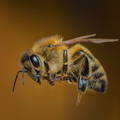
Vital Roles of the Worker Bee in the Honey Hive
Explore the essential duties of female worker bees, from foraging and honey production to hive maintenance and defense. Learn how these vital pollinators sustain the hive and support global ecosystems.
There can be as many as 60,000 worker bees tending to the needs of the honey hive during the peak flow months.
Subscribe
To join our mailing list and never miss an update!
Within the intricate and highly organized structure of a honeybee colony, the female worker bee stands as the fundamental driving force behind nearly every essential operation. While the queen bee receives much attention for her role in reproduction, and drones exist primarily for mating, it is the worker bee who carries the weight of the colony’s survival on her small but capable shoulders.
Worker bees are all sterile females, genetically identical yet behaviorally diverse, adapting to the colony’s needs as they progress through different life stages. Each worker bee follows a well-defined and age-based progression of duties known as temporal polyethism, transitioning from in-hive responsibilities to foraging tasks as they mature. This adaptive and cooperative system enables the hive to function with incredible efficiency and resilience.
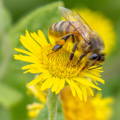
Nectar and Pollen Collection: Foraging for Life
One of the most visible and vital duties of the worker bee is foraging for nectar and pollen. These two substances serve as the primary food sources for the colony. Nectar provides carbohydrates, while pollen is a critical source of protein, vitamins, and minerals.
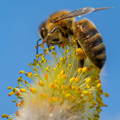
To collect nectar, worker bees use their specialized proboscises to extract the sugary liquid from flowering plants. Pollen is collected using pollen baskets located on their hind legs, known as corbiculae. Foraging flights can cover distances of several miles, with bees visiting hundreds of flowers in a single trip. The foraging process is not random; it is a highly coordinated effort, informed by the observations and communications of other worker bees (particularly through the waggle dance).
Once a foraging bee returns to the hive, she delivers the nectar to house bees, who begin the process of turning it into honey. This seamless transition from forager to processor is just one example of the hive’s collaborative efficiency.
Trending Articles



Honey Production: Engineering Nature’s Perfect Food
Honey production is far more complex than simply storing nectar. Upon returning to the hive, the foraged nectar undergoes enzymatic digestion by worker bees. These enzymes break down complex sugars into simpler sugars such as glucose and fructose, which are less prone to crystallization and spoilage.
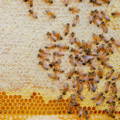
The processed nectar is then deposited into the hexagonal wax cells of the honeycomb. At this stage, the nectar still contains a high percentage of water—too much for long-term storage. Worker bees gather around these cells and fan their wings rapidly to evaporate the excess moisture. Once the moisture content drops to around 17-18%, the nectar officially becomes honey. The ladies then seal each cell with a wax cap, preserving the honey for future use, especially during the winter months when foraging is impossible.
This transformation from nectar to honey demonstrates not only the biochemical ingenuity of worker bees but also their role in ensuring food security for the entire colony.
Hive Maintenance: Cleanliness and Climate Control
A clean and stable hive environment is essential to the colony’s health. Worker bees perform ongoing sanitation duties, removing debris, dead bees, and other potential contaminants. Without this constant cleaning, the hive would quickly become a breeding ground for disease and parasites.
Beyond sanitation, worker bees are responsible for regulating the internal environment of the hive. Temperature and humidity must be tightly controlled—especially around the brood, which requires temperatures near 95°F (35°C) for proper development. By fanning their wings or clustering together to generate heat, worker bees maintain the delicate balance needed for brood survival and honey preservation.
Brood Care: Nurturing the Next Generation
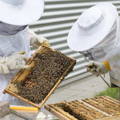
Worker bees also serve as nurses to the colony’s developing brood. Newly emerged worker bees begin their careers inside the hive by tending to larvae. They feed the larvae a diet known as “worker jelly,” a blend of pollen, honey, and glandular secretions. This nourishment is carefully tailored to support the growth of healthy adult worker bees or, when specially modified, to raise a new queen.
Temperature regulation is also part of brood care. Nurse bees fan their wings or position their bodies around the brood cells to keep conditions optimal. Their attentiveness ensures a steady population of new workers ready to take over as older bees transition to foraging roles and eventually die.
Queen Attendants: Serving the Colony’s Matriarch
Worker bees also attend to the queen, whose primary function is to lay eggs. A healthy queen can lay up to 2,000 eggs per day, but her health and productivity rely on the constant care of her attendants. These specialized worker bees groom the queen, feed her with royal jelly, and ensure that she remains in prime reproductive condition.
Attendant bees also help distribute the queen’s pheromones throughout the colony. These chemical signals maintain social order by inhibiting the development of ovaries in other worker bees and regulating various aspects of hive behavior, including swarming and supersedure.
Defense: Guardians of the Hive
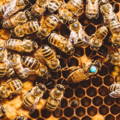
Despite their small size, worker bees are fearless defenders of the hive. When threats arise—whether from wasps, mammals, or human interference—worker bees swarm the intruder, using coordinated attacks to neutralize the danger. Their stingers, which are barbed, embed into the skin of mammals and cause the bee to die shortly afterward. This self-sacrifice underscores their commitment to the colony’s protection.
Some workers are stationed at the hive entrance as guards, inspecting returning bees to ensure they belong to the colony. They use scent recognition to verify each bee’s identity and will forcibly expel intruders or robbers from other hives.
Communication: The Language of Bees
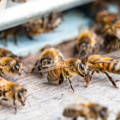
Efficient communication is central to the success of a honeybee colony, and worker bees are the primary messengers. Through a unique behavior known as the waggle dance, foragers communicate the distance, direction, and quality of nectar sources to other bees. The angle and duration of the dance correlate to the sun’s position and the resource’s distance, allowing others to navigate accurately.
In addition to dance language, worker bees use pheromones to relay information about the queen’s condition, colony stress, foraging success, and brood needs. This invisible chemical web ensures all colony members remain aligned and responsive to the hive’s dynamic needs.
Recognizing the Contributions of the Worker Bee
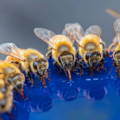
From the moment they emerge from their brood cells, female worker bees embark on a tireless journey of service to their colony. Their lives are marked by industriousness, adaptability, and cooperation. Through foraging, food processing, brood care, defense, and communication, they support every aspect of hive function and ensure the survival of future generations.
In a broader ecological context, their work also benefits countless plant species, including crops critical to human agriculture, through pollination. The survival of honeybee colonies is intricately linked to global food systems and biodiversity.
As we better understand the complexity and importance of worker bee duties, it becomes increasingly clear that protecting honeybee populations is not just about preserving a species—it’s about preserving balance in our ecosystems. Supporting sustainable beekeeping practices, minimizing pesticide use, and planting pollinator-friendly flora are just a few of the steps we can take to honor the incredible labor of the worker bee.
Trending Products
Copyright©2025 All rights reserved. We love to have you share our article as long as you include a direct link to this page. This article or any portion thereof , including all images, may not be reproduced or used in any manner whatsoever without the express written permission of Gypsy Shoals Farm.