

How To Render Beeswax: A Comprehensive Guide
Learn how to render beeswax at home with this step-by-step guide. Safely melt, filter, and purify raw beeswax for candles, cosmetics, and DIY projects. Perfect for beginner and experienced beekeepers.
A single honeybee produces only 1/8th of a teaspoon of beeswax over its entire lifetime.
Subscribe
To join our mailing list and never miss an update!
Beeswax is one of the most valuable byproducts of beekeeping. Prized for its natural purity, versatility, and pleasant aroma, beeswax can be used in a variety of applications from making candles and cosmetics to lubricants and polish. However, raw beeswax, straight from the hive, is often mixed with impurities such as honey, pollen, propolis, and debris. To use it effectively, it must first be rendered, or purified.
This article outlines the entire process of rendering beeswax safely and efficiently, whether you're a backyard beekeeper or a hobbyist interested in natural products.
Understanding Beeswax and Its Sources
Beeswax is secreted by worker bees from glands located on the underside of their abdomens. The wax is used to build comb, which serves as both the bees’ storage for honey and brood-rearing chambers. Over time, comb becomes darkened due to repeated use and accumulation of debris, which is why most beekeepers periodically replace old comb and collect it for rendering.
Common sources of raw beeswax include:
• Wax cappings from honey extraction
• Burr comb or bridge comb
• Old brood comb (though typically avoided for cosmetic use due to contamination)
• Scraped wax from hive maintenance
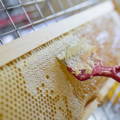
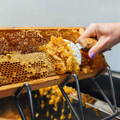
Wax cappings, obtained when uncapping honeycomb for extraction, is the cleanest and most desirable for cosmetic or food-safe products.
Trending Articles


Safety Considerations Before You Begin
Rendering beeswax requires the use of heat, water, and possibly sharp tools. Follow these safety guidelines:
• Never render beeswax over direct flame; it has a low flash point (~400°F / 204°C) and is flammable.
• Always use a double boiler or a water bath to maintain temperature control.
• Avoid using cookware that you intend to use for food afterward; beeswax is difficult to clean.
• Perform the process in a well-ventilated area and consider working outside or using an exhaust fan.
Equipment and Materials Needed
To begin rendering beeswax, gather the following supplies:
• Raw beeswax
• Large stockpot or double boiler
• Cheesecloth or fine mesh filter
• Heatproof container or silicone mold for final wax
• Water
• Strainer or colander
• Rubber spatula or wooden spoon
• Optional: slow cooker, dedicated beeswax melter, or solar wax melter
Step 1: Prepare and Sort the Wax
Start by separating beeswax from other hive debris. Remove large chunks of propolis, dead bees, or wood splinters by hand if possible. For honey-laden wax (such as fresh cappings), rinse briefly in cold water to remove residual honey. Be careful not to use hot water at this stage, as it can melt the wax prematurely and make it more difficult to clean.
Allow the wax to air dry thoroughly before moving to the melting phase.
Step 2: Melt the Wax
The safest and most effective method for melting beeswax is using a double boiler setup:
1. Fill a large pot halfway with water and bring it to a gentle simmer.
2. Place a smaller metal container or heat-safe bowl inside the pot to act as your wax melting chamber.
3. Add the dry, raw beeswax to the inner container and stir occasionally as it melts.
Avoid letting the water boil aggressively, as splashing water can contaminate the wax or cause burns.
Alternatively, a slow cooker set to “low” can be used for small batches. Solar wax melters are an eco-friendly, low-intervention method but depend heavily on weather and may take several days.
Step 3: Filter the Wax
Once fully melted, the wax must be filtered to remove remaining impurities such as bee parts, dirt, and propolis. Line a metal strainer or colander with several layers of cheesecloth or a fine nylon mesh. Carefully pour the hot, liquid wax through the strainer into a mold or another heatproof container.
Important tip: Never pour wax down a drain—it solidifies quickly and can clog plumbing.
During this step, some people choose to use a layer of water at the bottom of the receiving container. As the wax cools and hardens, debris and heavier particles settle into the water, making it easier to scrape off the underside of the wax cake later.
Step 4: Let It Cool
Allow the filtered wax to cool undisturbed at room temperature. As it solidifies, it will form a hardened disk, typically golden yellow to light brown in color depending on the original wax source. The cleaner your starting material and the finer your filtering, the lighter the finished product.
Once fully cooled and hardened, remove the wax from the container. If water was used, pour it out and scrape any sediment from the bottom of the wax cake using a dull knife.
Step 5: Repeat If Necessary
For higher-purity applications such as lip balms, creams, handcrafted soaps or food wraps, a second or third filtering may be necessary. Simply remelt the wax and repeat the straining process, using a new filter medium each time.
Storing Rendered Beeswax
Once rendered and filtered, beeswax should be stored in a cool, dry place away from direct sunlight. You can pour it into:
• Silicone molds (to create bricks or pucks)
• Muffin tins or cupcake liners
• Glass jars or metal tins (if keeping in liquid form)
Properly rendered beeswax is shelf-stable and can last indefinitely. Label each batch with the date and source for future reference.
Common Issues and Tips
• Cloudy wax: Caused by residual honey or overheating. Re-filter or melt gently to correct.
• Off-smells: Brood comb or wax stored near mold may have an unpleasant odor. These are best used for non-cosmetic applications like fire starters.
• Difficulty filtering: Use muslin, old t-shirt fabric, or commercial wax filters if cheesecloth is too porous.
• Wasted wax in cheesecloth: Warm the cloth slightly and press out remaining wax with gloved hands or a weight.
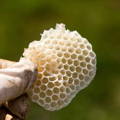
Rendering beeswax is a rewarding and necessary step in transforming a raw beekeeping byproduct into a valuable, clean, and versatile material. Whether you're making candles, lotions, or simply storing it for future use, properly rendered wax ensures better product performance and longevity.
Taking time to clean and purify your wax pays off with a higher-quality end product, fewer impurities, and a deeper appreciation for the craft of beekeeping. By following safe methods and using proper tools, even beginners can achieve excellent results from their first rendering session.
Trending Products
Copyright©2025 All rights reserved. We love to have you share our article as long as you include a direct link to this page. This article or any portion thereof , including all images, may not be reproduced or used in any manner whatsoever without the express written permission of Gypsy Shoals Farm.