

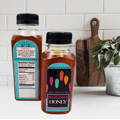
Decoding Honey Labelling: Understanding What's in the Bottle
Learn the difference between raw, unfiltered honey and processed store-bought varieties. Discover how Gypsy Shoals Farm preserves natural enzymes, pollen, and flavor in every jar of farm-fresh honey.
Raw honey is one of the few foods that never spoils.
Subscribe
To join our mailing list and never miss an update!
At Gypsy Shoals Farm, honey is more than a sweet treat. It’s a product of dedication to the land, care for the bees, and a commitment to purity. As interest in natural and locally sourced food grows, so too does curiosity about what makes one honey different from another. You’ve likely seen labels boasting terms like raw, unfiltered, pure, and wildflower—but what do these words actually mean?
Not all honey is created equal. In fact, the differences between raw farm honey and commercial store-bought brands are significant. This article is meant to help you understand what you’re really getting in a jar of Gypsy Shoals Farm honey and why terms like raw and unfiltered matter for both your health and your taste buds.
WHAT DOES "RAW HONEY" MEAN?
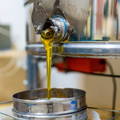
The term raw honey refers to honey that has been extracted from the hive and bottled with minimal processing. It has not been heated to high temperatures or subjected to fine filtration. As a result, raw honey retains nearly all the natural enzymes, antioxidants, vitamins, minerals, and pollen originally present in the honeycomb.
The standard for labeling honey as “raw” in the U.S. by reputable beekeepers and small-batch producers is:
• Unheated or only lightly warmed (usually under 95°F, which mimics the hive’s internal temperature)
• Unpasteurized, meaning it has not been exposed to high heat that would destroy beneficial compounds
• Unfiltered or lightly filtered, allowing pollen, wax particles, and propolis to remain.
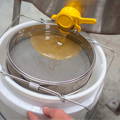
Raw honey is strained but not filtered. Straining allows the large particles to be removed, while maintaining the smaller pollen particles, minerals and vitamins in the honey flow that ends up in your bottle.
Trending Articles
Filtered vs. Unfiltered: Why It Matters
Filtering is another area where our honey stands apart. Large-scale honey producers often ultrafilter their honey to remove all visible particles, including pollen, wax, and propolis. This gives the honey a smooth, clear appearance, but it also strips away much of what makes honey healthy.
At Gypsy Shoals Farm, we produce unfiltered honey, meaning it’s gently strained to remove large chunks of wax and debris, but it retains all the tiny particles that naturally occur in the hive. That includes bits of bee pollen and propolis—compounds known for their antioxidant and anti-inflammatory properties. These aren’t impurities—they’re part of the reason honey has been used for centuries as a healing agent.
Unfiltered honey may appear cloudy or crystallize over time, but that’s a sign of authenticity, not a flaw. Crystallization is a natural process, especially when honey contains the full spectrum of nutrients and pollen that raw, unfiltered honey delivers.
Understanding different shades of honey
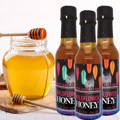
One of the most visually striking features of honey is its color variation—from pale amber to dark brown, and everything in between. At Gypsy Shoals Farm, the color of our honey changes with the seasons, the weather, and the flowers our bees visit.
Here’s why:
• Floral source: Bees collect nectar from a variety of flowers, each contributing its own hue and flavor. Lighter honeys like those from clover or wild blackberry blossoms tend to be mild and golden. Darker honeys, such as those from goldenrod or buckwheat, are richer in flavor and color.
• Mineral content: Darker honey typically contains more minerals like magnesium, potassium, and iron, which may contribute additional health benefits.
• Processing and heat: Commercial honey that’s been heated often appears darker as a result. In contrast, the natural colors of our raw honey reflect the true source of the nectar before the processing.
The Benefits of Raw, Unfiltered Honey
There are numerous reasons why raw, unfiltered honey—like the kind we produce at Gypsy Shoals Farm—is favored by those seeking a healthier, more authentic alternative to grocery store brands.
1. Enzymes and Nutrients Stay Intact
Raw honey contains live enzymes like diastase and invertase, which are essential for breaking down sugars and aiding digestion. These enzymes are destroyed by high heat, making processed honey far less beneficial.
2. High in Antioxidants
Our honey retains natural antioxidants, including flavonoids and phenolic compounds, which help neutralize free radicals and reduce inflammation in the body.
3. Supports Immunity
Thanks to its content of bee pollen, propolis, and antimicrobial compounds, raw honey is known to support immune function and promote healing.
4. Soothing and Healing
Raw honey is a time-honored remedy for sore throats, coughs, and minor wounds. It forms a protective barrier while drawing moisture to the skin or throat, making it ideal for natural wellness routines.
5. Naturally Preserved by Bees
Raw honey has an indefinite shelf life thanks to its low moisture content and natural acidity. It’s one of the few foods that never spoils if stored properly—no additives or preservatives needed.
What’s Missing from Store-Bought Honey?
Mass-produced honey may be labeled as “pure” but often undergoes intense processing to improve clarity and shelf life. These methods remove most of the pollen, diminish nutrient levels, and eliminate beneficial enzymes. Worse still, some imported honey is diluted with sugar syrups or rice syrup, misleading consumers and reducing the product’s authenticity.
When you buy honey from Gypsy Shoals Farm, you’re choosing a product that is:
• Traceable to a real location
• Produced without additives or dilutions
• Never heated
• Never filtered
• Handled with care from hive to jar
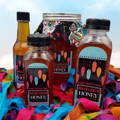
Tips for Storing and Using Raw Honey
• Storage: Keep honey in a cool, dry place away from direct sunlight. Avoid refrigerating—it accelerates crystallization.
• Crystallization: If your honey crystallizes (a natural sign of quality), simply place the jar in warm water to gently liquefy it without harming its nutrients. Never place in boiling water.
• Uses: Raw honey can be used in teas, drizzled over yogurt or toast, or even applied topically for skincare.
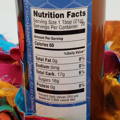
Understanding honey terminology helps you make more informed choices about what you’re putting in your body. When you choose our honey, you’re choosing more than flavor. You’re choosing transparency, wholesome nourishment, and a connection to nature’s sweetest gift.
Trending Products
Copyright©2025 All rights reserved. We love to have you share our article as long as you include a direct link to this page. This article or any portion thereof , including all images, may not be reproduced or used in any manner whatsoever without the express written permission of Gypsy Shoals Farm.