Subscribe
To join our mailing list and never miss an update!
Honey is one of nature’s most remarkable products, prized not just for its sweetness but also for its complexity, nutritional value, and connection to the environment. Yet not all honey is created equal.
Consumers often encounter two very different types on the market: small-batch honey and commercial honey. Understanding the differences between them helps you make informed choices, whether for flavor, quality, or health.
What Is Small-Batch Honey?
Small-batch honey is typically produced by local or regional beekeepers who manage a limited amount of hives. These operations focus on quality over quantity, harvesting honey carefully to preserve its natural characteristics. Each batch often reflects a specific region, floral source, and season, giving it a unique flavor profile.
The process usually involves minimal processing. After extraction from the comb, the honey is gently strained to remove debris but not heated to extreme temperatures or ultra-filtered. This preserves:
• Natural enzymes
• Pollen content
• Flavor complexity
• Seasonal variation
Because it is produced in smaller quantities, small-batch honey can retain qualities that mass-produced honey often loses. Its variability is not a flaw—it’s a reflection of nature.
Trending Articles

How Commercial Honey Is Made
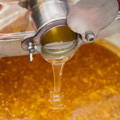
Commercial honey production prioritizes scale and consistency. Large operations may collect honey from hundreds or even thousands of hives across multiple regions. To ensure a uniform product that appeals to consumers, commercial honey often undergoes significant processing.
Key characteristics of commercial honey include:
• Pasteurization through heat to kill yeast, removing all probiotic benefits as a result
• Ultra-filtration to remove pollen and fine particles
• Blending of honey from multiple regions or sources for consistent color and flavor
• Slows the crystallization process so it stays “pretty” on the shelf longer
These processes make commercial honey visually appealing and easy to pour but can also diminish some of the subtle flavors, enzymes, and trace nutrients found in raw, small-batch honey.
Flavor and Aroma Differences
One of the most noticeable differences between small-batch and commercial honey is flavor. Because small-batch honey is tied to a specific location and floral source, its taste is often more complex and dynamic. A spring wildflower honey may be light and floral, while a late-summer goldenrod honey can be richer and more robust.
Commercial honey, by contrast, is typically blended to achieve a standardized taste. While reliable, this can result in a milder or less nuanced flavor profile. For bakers, chefs, and honey enthusiasts, small-batch honey offers a more distinctive taste that can enhance recipes or be enjoyed directly.

Quality and Purity Considerations
Small-batch honey generally emphasizes transparency and traceability. Small producers, like Gypsy Shoals Farm, can identify the floral sources, harvest period, and region for each batch, which allows consumers to make informed decisions. Minimal processing helps preserve enzymes, pollen, and antioxidants naturally present in honey.
Commercial honey often undergoes extensive processing to ensure uniformity. This can remove pollen, which studies suggest contributes to honey nutritional and allergy-related benefits. While commercial honey is safe and convenient, it is sometimes difficult for consumers to know its exact origin or the extent of processing involved.
Crystallization and Storage
Both small-batch and commercial honey naturally crystallize over time, but they behave differently due to processing. Small-batch honey may crystallize faster because it is minimally heated, which is a sign of its raw, unprocessed nature. Crystallized honey can easily be returned to a liquid state with gentle warming.
Commercial honey is often pasteurized to delay crystallization, resulting in a long-lasting, consistently liquid product. However, the flavor complexity may be slightly diminished in the process and any health benefits have been cooked and strained out of it before bottling.
Why Choose Small-Batch Honey?
Choosing small-batch honey offers several benefits:
1. Authenticity: Each jar reflects a specific region, season, and floral source.
2. Flavor: Richer, more varied flavor compared to standardized commercial honey.
3. Nutritional Value: Minimal processing preserves enzymes, antioxidants, and pollen.
4. Support for Local Agriculture: Purchasing from small producers supports local beekeepers and pollination efforts.
5. Transparency: Small-batch producers, like Gypsy Shoals Farm, can provide detailed information about their practices and source.
While commercial honey is convenient and widely available, small-batch honey provides a connection to the environment and a taste of the season that large-scale operations cannot replicate.
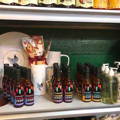
Small-batch honey and commercial honey each have their place. Commercial honey offers consistency, slower crystallization, and easy availability, making it suitable for everyday use. Small-batch honey, however, delivers a unique experience: a product that embodies the local landscape, seasonal bloom variation, and careful stewardship of the bees.
For those who value flavor, quality, and transparency, small-batch honey is more than a sweetener- it’s a direct connection to the natural processes that make honey one of the most remarkable foods on Earth. By understanding the differences between these two types of honey, consumers can make informed choices that align with taste preferences, health priorities, and support for sustainable beekeeping practices.
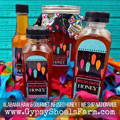
For those seeking a sweetener that reflects its origin and preserves its natural qualities, raw honey offers a direct connection to the hive and the land surrounding it. When produced responsibly and handled with care, it remains one of the most remarkable and enduring foods in agriculture.
Trending Products
Copyright©2026 All rights reserved. We love to have you share our article as long as you include a direct link to this page. This article or any portion thereof , including all images, may not be reproduced or used in any manner whatsoever without the express written permission of Gypsy Shoals Farm.