

Subscribe
To join our mailing list and never miss an update!
Bees play a critical role in food production, ecosystem stability, and biodiversity. As primary pollinators for many flowering plants and agricultural crops, they support the reproduction of an estimated one third of the food humans consume. However, bee populations have been declining worldwide due to habitat loss, pesticide exposure, climate change, monoculture farming, and limited access to diverse food sources.
One of the most effective ways to support bees is to plant a wide variety of pollinator friendly plants that bloom at different times of the year. When nectar and pollen sources are available across spring, summer, and fall, bees can maintain strong, resilient colonies and as a result, produce a higher volume of raw honey for human consumption.
Continuous bloom cycles provide consistent nutrition, helping colonies survive seasonal shifts, reproduce successfully, and withstand environmental stressors.
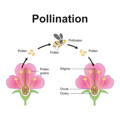
Planting for bloom season ensures that bees do not face nutritional gaps. Early spring flowers support queens emerging from winter dormancy. Mid-season blooms sustain worker bees during peak foraging and brood rearing. Late season flowers help bee colonies build energy reserves for overwintering. A diverse, layered planting strategy also benefits native bee species, honey bees, butterflies, and other pollinators by creating a balanced, sustainable habitat.
Below is a season-by-season guide to valuable bee habitat plants, including bloom timing, growing regions, and the specific benefits each plant offers.
Trending Articles
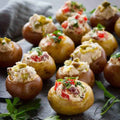

Spring Bloom Plants
Spring is a critical time for bees, especially for queens establishing new colonies. Early flowering plants provide essential nectar and pollen when few other food sources are available.
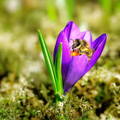
• Crocus (Crocus vernus)
Bloom season: Late winter to early spring
Growing region: Temperate climates across North America and Europe
Why it matters: Crocus is one of the earliest nectar sources of the year. It provides much needed carbohydrates and pollen for bees emerging after winter, helping them regain strength and begin colony development.
• Willow (Salix spp.)
Bloom season: Early spring
Growing region: North America, Europe, and Asia
Why it matters: Willow trees produce large quantities of pollen, which is essential for brood rearing. Their early bloom makes them especially valuable when other flowering plants are scarce.
• Red Maple (Acer rubrum)
Bloom season: Early spring
Growing region: Eastern and central North America
Why it matters: Red maple offers abundant nectar and pollen before many other trees bloom, making it a cornerstone food source for early pollinators.

• Virginia Bluebells (Mertensia virginica)
Bloom season: Mid spring
Growing region: Eastern United States
Why it matters: These tubular flowers attract long tongued bees and provide a reliable nectar source in woodland and garden environments.
• Fruit Tree Blossoms such as Apple (Malus domestica) and Cherry (Prunus avium)
Bloom season: Spring
Growing region: Widespread in temperate regions
Why they matter: Fruit trees depend on bees for pollination and return the benefit by offering rich nectar and pollen. They support both wild pollinators and managed honey bee colonies.
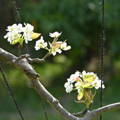
Early Summer Bloom Plants
As temperatures rise, colonies expand rapidly and require a steady, diverse food supply to sustain high activity levels.
• Lavender (Lavandula angustifolia)
Bloom season: Late spring to early summer
Growing region: Mediterranean climates and temperate gardens
Why it matters: Lavender produces nectar rich flowers that attract bees continuously. Its long bloom period makes it a reliable mid-season resource.
• Borage (Borago officinalis)
Bloom season: Late spring through summer
Growing region: Temperate regions worldwide
Why it matters: Borage is one of the most nectar productive plants available, offering a steady flow of food for bees throughout the growing season.
• Foxglove (Digitalis purpurea)
Bloom season: Early to mid-summer
Growing region: Europe and North America
Why it matters: Its tubular blooms are especially attractive to bumblebees, supporting native pollinator diversity.
• Sage (Salvia officinalis)
Bloom season: Late spring to summer
Growing region: Mediterranean and temperate climates
Why it matters: Sage offers high nectar yields and supports a wide range of pollinators while thriving in drought tolerant landscapes.
• Wild Bergamot or Bee Balm (Monarda fistulosa)
Bloom season: Early to mid-summer
Growing region: North America
Why it matters: This native plant is a powerhouse for nectar production, drawing honey bees, native bees, butterflies, and hummingbirds.
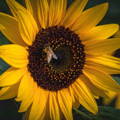
Mid To Late Summer Bloom Plants
Summer is peak foraging season, when colonies raise brood, store honey, and maximize population size.
• Sunflower (Helianthus annuus)
Bloom season: Mid to late summer
Growing region: North America and cultivated globally
Why it matters: Sunflowers provide both nectar and abundant pollen. Their large flower heads allow bees to forage efficiently.
• Clover (Trifolium repens and Trifolium pratense)
Bloom season: Late spring through summer
Growing region: Widespread across temperate climates
Why it matters:Clover is one of the most important forage plants for honey bees, producing high quality nectar and supporting honey production.
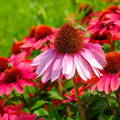
• Coneflower (Echinacea purpurea)
Bloom season: Mid-summer
Growing region: North America
Why it matters: Coneflowers offer long lasting blooms that supply nectar and pollen while adding resilience to pollinator gardens.
• Milkweed (Asclepias syriaca and Asclepias tuberosa)
Bloom season: Summer
Growing region: North America
Why it matters: While best known for supporting monarch butterflies, milkweed is also a valuable nectar plant for bees and other pollinators.
• Zinnia (Zinnia elegans)
Bloom season: Summer through fall
Growing region: Warm temperate and subtropical regions
Why it matters: Zinnias bloom prolifically and provide easily accessible nectar, making them ideal for continuous summer forage.
Supporting Bees Through the Dearth
In beekeeping, a dearth refers to a period when nectar and pollen become scarce because fewer plants are in bloom. During a dearth, bees have limited natural food sources, which can slow honey production, reduce brood rearing, and increase stress within the colony. This scarcity may lead to more aggressive foraging behavior, robbing from weaker hives, and a greater risk of colony decline if supplemental food or late blooming plants are not available. There are specific steps you can take to help honeybees survive the dearth period.
In much of the United States, the primary dearth typically occurs in mid to late summer, often from July through September, after major spring and early summer blooms have faded but before fall flowers such as goldenrod and asters peak. The timing and severity vary by region, rainfall, and local plant diversity, but this seasonal gap highlights the importance of planting late blooming, pollinator friendly plants to help sustain bees when natural forage is limited.
fall autumn Bloom Plants
Late season flowers are essential for helping bee colonies build food reserves for winter and sustain late foraging activity. Supplemental feeding of pollen patties is encouraged during this season to allow the bees to store what they need to overwinter in the hive.
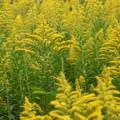
• Goldenrod (Solidago spp.)
Bloom season: Late summer to fall
Growing region: North America
Why it matters: Goldenrod is one of the most important fall nectar sources, supporting honey production and late season colony strength.
• Aster (Symphyotrichum spp.)
Bloom season: Late summer to fall
Growing region: North America
Why it matters: Asters provide critical nectar and pollen when many other plants have stopped blooming, supporting overwintering bees.
• Sedum or Stonecrop (Hylotelephium spectabile)
Bloom season: Late summer to fall
Growing region: Temperate climates
Why it matters: Sedum thrives in drought tolerant gardens and supplies late season nectar when other sources decline.
• Joe Pye Weed (Eutrochium purpureum)
Bloom season: Late summer
Growing region: Eastern North America
Why it matters: This tall native wildflower attracts a wide range of pollinators and produces abundant nectar during late summer.
• Ironweed (Vernonia noveboracensis)
Bloom season: Late summer to early fall
Growing region: Eastern North America
Why it matters: Ironweed is a high value nectar source that strengthens late season bee populations.

Building A Bloom Sequence for A Healthy Bee Habitat
The most effective pollinator gardens and landscapes include a succession of flowering plants that ensures food availability from early spring through fall. Combining native plants, flowering trees, herbs, perennials, and annuals creates a layered habitat that benefits a wide range of bee species.
In addition to planting diverse blooms, avoiding pesticide use, providing clean water sources, and leaving some natural vegetation or undisturbed soil can further support nesting and colony health. Even small gardens, homesteads, and farm landscapes can make a meaningful difference when planted with pollinators in mind.
At Gypsy Shoals Farm, integrating seasonally blooming plants not only strengthens local bee populations but also supports healthier crops, richer ecosystems, and long-term environmental stewardship. By planting with intention and timing, we can help ensure that bees have the nourishment they need to thrive throughout the year.
Trending Products
Copyright©2026 All rights reserved. We love to have you share our article as long as you include a direct link to this page. This article or any portion thereof , including all images, may not be reproduced or used in any manner whatsoever without the express written permission of Gypsy Shoals Farm.