Subscribe
To join our mailing list and never miss an update!
Protect honeybee colonies by monitoring and controlling varroa mites with proven strategies for hive health and colony survival.
What Are Varroa Mites and Why They Threaten Honeybee Colonies
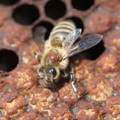
Varroa mites (Varroa destructor) are small, reddish-brown external parasites that attach to honeybees, feeding on their hemolymph. These mites are considered one of the most significant threats to honeybee health globally.
By weakening the immune system, transmitting viruses such as deformed wing virus (DWV), and reducing the lifespan of adult bees, varroa infestations can contribute directly to colony collapse if left unmanaged.
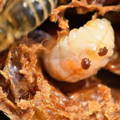
Varroa mites reproduce within brood cells, often targeting drone brood due to its longer developmental period. Each reproductive cycle allows mites to multiply rapidly, meaning that even a small infestation can escalate to critical levels within a single season.
Because of their size and lifecycle, varroa mites can be difficult to detect without regular monitoring, making proactive management essential.
Trending Articles



The Impact of Dearth Periods on Hive Vulnerability
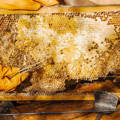
Nectar and pollen sources are scarce during the dearth season and this creates additional challenges for honeybee colonies. During these periods, bees are under nutritional stress, which reduces their resilience to pests and disease.
Colonies already facing limited food resources are less able to groom off mites or mount immune responses against viral infections transmitted by varroa mites.
In addition to varroa, dearth periods can also increase vulnerability to other pests, including small hive beetles (SHB) and wax moths. With menaces on all sides, this makes pest management during low-resource periods especially critical to maintain colony strength and survival.
Methods for Regular Varroa Mite Monitoring
Accurate and consistent monitoring is the foundation of effective varroa control. There are several widely used monitoring techniques:
• Sticky Boards: Placed beneath the hive, sticky boards catch mites that naturally fall off bees over 24–72 hours. Counting the mites provides an estimate of infestation levels.
• Alcohol or Soap Wash: A sample of adult bees is shaken in alcohol or a mild soap solution to dislodge mites. This method gives a precise count of mites per number of bees sampled. However, it does kill the honeybees in the sample.
• Sugar Shake (Powdered Sugar Method): Bees are coated with powdered sugar, which dislodges mites when shaken. This method is non-lethal and offers a quick assessment of infestation levels.
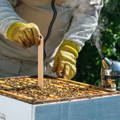
Monitoring should occur at least monthly during active seasons, with increased frequency during dearth periods or after treatment interventions. Keeping detailed records of mite counts over time allows beekeepers to identify trends and respond before infestations become critical.
Understanding Treatment Thresholds and When to Act
Treatment thresholds are critical guidelines for when mite control measures should be implemented. Thresholds vary by region and apiary, but a common reference is around 3% infestation in adult bees or 10–15 mites per 100 bees using an alcohol wash. Exceeding these thresholds indicates that mite populations are likely to cause harm if untreated.
Taking action promptly prevents colony decline and supports long-term health. Beekeepers must stay informed about local recommendations and adjust interventions based on seasonal conditions, colony size, and prior infestation trends.
Integrated Pest Management (IPM) Strategies for Mite Control
Integrated Pest Management (IPM) combines multiple strategies to control varroa mites while minimizing harm to bees and the environment.
Key IPM tactics include:
• Chemical Treatments: Organic acids such as oxalic or formic acid and essential oils like thymol are widely used. Proper timing, dosage, and application technique are essential to avoid harming the colony.
• Mechanical Methods: Screened bottom boards, drone brood removal, and powdered sugar dusting can reduce mite reproduction without chemicals.
• Hive Traps: While primarily used for pests like small hive beetles, traps help maintain overall hive hygiene, indirectly supporting mite management.
IPM allows beekeepers to tailor control strategies based on infestation levels, colony strength, and seasonal conditions, reducing reliance on any single method.
Rotating Treatments to Prevent Mite Resistance
Varroa mites can develop resistance to chemical treatments if the same product is used repeatedly. To maintain treatment efficacy, it is important to rotate the methods used in your apiary. Alternating between organic acids, essential oils, or approved miticides reduces the likelihood of resistance and ensures sustained mite control.
Rotation should be done strategically, guided by monitoring data. Combining rotation with non-chemical IPM methods enhances effectiveness and reduces chemical exposure for bees.
Maintaining Hive Hygiene and Overall Colony Health
Good hive hygiene is a preventive measure that reinforces other mite control strategies. Recommendations include:
• Cleaning and Sterilizing Equipment: Frames, hive boxes, and tools should be cleaned and sterilized regularly to prevent mite transfer.
• Removing Old or Unused Comb: Damaged or unused comb can harbor mites and should be removed or replaced.
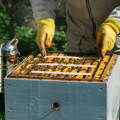
• Regular Inspections: Monitor colony health for signs of stress or disease, including irregular brood patterns, declining adult populations, and reduced food stores.
Healthy colonies are more resilient to infestations, diseases, and environmental stressors. During dearth periods, supplemental feeding with sugar syrup or protein patties can support adult bees and brood development, enhancing colony strength along with proper mite control practices.
Varroa mites are a persistent threat to honeybee colonies, but proactive and informed management can significantly reduce their impact. By implementing regular monitoring, adopting integrated pest management strategies, adhering to treatment thresholds, rotating treatments, maintaining hygiene, and monitoring overall colony health, beekeepers can protect their colonies even during the most vulnerable periods.
Protecting honeybee colonies from varroa mites ensures not only the survival and productivity of individual hives but also the sustainability of pollination services vital to ecosystems and agriculture. Through diligent mite management, beekeepers play a crucial role in maintaining healthy, resilient honeybee populations year-round.
Trending Products
Copyright©2026 All rights reserved. We love to have you share our article as long as you include a direct link to this page. This article or any portion thereof , including all images, may not be reproduced or used in any manner whatsoever without the express written permission of Gypsy Shoals Farm.