

Subscribe
To join our mailing list and never miss an update!
Learn how to recognize pure, high-quality honey by understanding texture, aroma, crystallization, pollen content, and signs of heavily processed honey.
The honey bottles lining grocery store shelves range from the classic honey bear to imported, gourmet varieties with elegant labels. But how can you really tell if the honey inside is pure and packed with the natural health benefits honey is known for?
Many shoppers assume that if the label says “honey,” it must be the real thing. Surprisingly, that’s not always the case. Some commercially sold honey has been diluted with corn syrup, rice syrup, or other sugar derivatives to increase volume and reduce costs. In most cases, the honey has also been heavily filtered and heated, stripping away much of the pollen, enzymes, and beneficial compounds that make raw honey so valuable.
The good news is that once you know what to look for, spotting high-quality, pure honey becomes much easier. Understanding texture and color, recognizing the characteristics of real honey, and knowing where your honey comes from can help you confidently choose a product that delivers both authentic flavor and genuine health benefits.
How Can You Tell if Honey Is Pure?
Pure honey can often be identified by its natural aroma, complex flavor, thick consistency, visible pollen, and natural crystallization over time. Unlike heavily processed commercial honey, high-quality honey retains the characteristics created by bees and flowers, including subtle variations in color, flavor, and texture.
Understanding these natural traits allows consumers to recognize authentic honey and avoid products that have been excessively filtered, overheated, or diluted with sweeteners.
Trending Articles

Understanding What “Pure Honey” Really Means
Pure honey is simply honey produced by bees from flower nectar that has not been diluted, adulterated, or excessively processed. Bees collect nectar from flowers, transform it through enzymatic activity, and store it in the hive where moisture is reduced and sugars become concentrated.
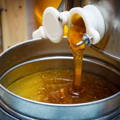
When beekeepers harvest honey, it may be strained to remove wax particles or debris from the hive. However, high-quality honey should remain fundamentally unchanged after extraction.
Authentic honey typically has several characteristics:
• It comes directly from a beekeeper or trusted producer
• It has not been diluted with corn syrup, rice syrup, or other sweeteners
• It has not been ultra-filtered to remove pollen
• It has not been overheated during processing
These factors help preserve the natural enzymes, trace minerals, aromas, and flavors that make honey unique.
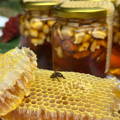
Signs of High-Quality Honey
When evaluating honey, several characteristics together can indicate quality:
• Natural floral aroma
• Complex, layered flavor
• Slight cloudiness from pollen
• Thick consistency
• Natural crystallization over time
When these traits appear together, they usually indicate honey that has been handled gently and remains close to its natural state.
The Appearance of Pure Honey
One of the first things people notice about honey is its color. Pure honey naturally varies depending on the flowers visited by the bees. Some honeys are light gold and translucent, while others are deep amber or nearly brown.
Color alone does not determine quality. However, natural variation and slight cloudiness are often signs of minimally processed honey.
High-quality honey may appear slightly opaque because it still contains tiny particles of pollen, wax, and natural compounds from the hive. These particles contribute to flavor and authenticity.
By contrast, extremely clear honey often indicates heavy filtration. While filtered honey is still edible and safe, ultra-filtration removes pollen and some natural components that give honey its distinctive character.
Seasonal variation can also influence appearance. Honey harvested from spring blossoms may look very different from honey produced later in the summer when different flowers dominate the landscape.
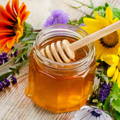
The Natural Aroma of High-Quality Honey
Pure honey carries the scent of the flowers that bees visited. When you open a jar of high-quality honey, you should notice a gentle floral aroma.
Depending on the nectar source, honey may have subtle scents such as:
• Fresh flowers
• Herbs or grasses
• Light fruit notes
• Warm, earthy tones
These aromas come from volatile compounds naturally present in nectar. When honey is overheated or heavily filtered, many of these delicate aromatic compounds are lost.
Commercial honey often smells mild or almost neutral, while raw or small-batch honey tends to have a richer fragrance.
Flavor Complexity: A Key Sign of Pure Honey
Flavor is often the easiest way to recognize high-quality honey. Pure honey rarely tastes flat or overly sugary.
Instead, authentic honey usually has layers of flavor that develop as you taste it. Depending on the flowers the bees visited, honey may contain:
• Light floral sweetness
• Herbal or grassy notes
• Hints of fruit
• Mild caramel or molasses tones in darker varieties
These flavors come from nectar compounds and natural enzymes created during the honey-making process inside the hive. Heavily processed honey tends to taste simply sweet without complexity. When honey lacks distinctive flavor, it may indicate blending, over-processing, or dilution.
Why Crystallization Is a Sign of Real Honey
One of the most misunderstood characteristics of honey is crystallization. Many people assume that crystallized honey has spoiled, but this is not true. In reality, crystallization is a natural process and often a sign that honey is pure and minimally processed.
Honey is a supersaturated sugar solution made primarily of glucose and fructose. Over time, glucose naturally forms crystals, especially in honey that still contains pollen or microscopic particles.
Raw honey often crystallizes faster than commercial honey because it has not been ultra-filtered.
Crystallized honey remains perfectly safe and delicious to eat. Many people enjoy the smooth, spreadable texture that crystallization creates. If you prefer liquid honey, you can gently warm the jar in warm water to dissolve the crystals.
Texture and Consistency of Pure Honey
Another indicator of honey quality is consistency. Pure honey typically has a thick, viscous texture.
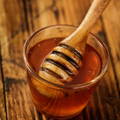
When poured from a spoon, it should flow slowly in a continuous ribbon rather than running quickly like syrup or water.
Thin honey may sometimes indicate higher moisture content or potential dilution, although natural variation does occur depending on nectar sources. Over time, texture may change as honey crystallizes, becoming creamy, smooth, or slightly grainy depending on the crystal structure.
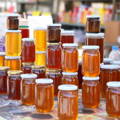
Why Pollen Matters in Authentic Honey
Pollen is one of the most important natural components found in honey. As bees collect nectar, tiny pollen grains from flowers become suspended in the honey. These microscopic particles serve as a natural fingerprint for identifying the floral and geographic origin of honey. Scientists often analyze pollen in honey to verify authenticity and determine where it was produced.
Ultra-filtered honey removes pollen to create a clearer product. While this makes honey appear more uniform, it eliminates a key indicator of origin and authenticity.
Honey that still contains pollen is typically associated with minimally processed, small-batch production.
Why Buying Honey from Local Beekeepers Matters
One of the best ways to ensure honey quality is to purchase directly from a beekeeper or a trusted local farm. Small-scale honey producers typically harvest honey in small batches and handle it more gently than large commercial operations.
Local honey often:
• Is minimally processed
• Retains natural pollen
• Reflects local flowers and nectar sources
• Has richer aroma and flavor
Buying honey directly from a beekeeper also allows you to learn about how the honey was harvested and handled. For many consumers, this transparency builds confidence and creates a deeper appreciation for the work of bees and beekeepers.
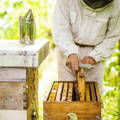
Raw Honey vs. Commercial Honey
The terms “raw honey” and “commercial honey” usually refer to how the honey is processed after it leaves the hive. Raw honey is typically strained but not heated or ultra-filtered. This preserves enzymes, pollen, and many of the natural compounds present in honey. Commercial honey is often heated and filtered to create a consistent, shelf-stable product that resists crystallization and appears perfectly clear.
While both products are still honey, minimally processed honey generally retains more of the natural qualities many people value.
Appreciating the Journey from Flower to Jar
Honey is one of the most remarkable natural foods produced by insects. Each jar represents thousands of trips made by bees gathering nectar from flowers across the landscape. By understanding the characteristics of pure honey, consumers can better appreciate the difference between minimally processed honey and heavily processed commercial products.
Learning how to recognize authentic honey allows you to enjoy richer flavors, support responsible beekeeping, and connect more closely with the remarkable work of honey bees.
Trending Products
Copyright©2026 All rights reserved. We love to have you share our article as long as you include a direct link to this page. This article or any portion thereof , including all images, may not be reproduced or used in any manner whatsoever without the express written permission of Gypsy Shoals Farm.